AI Realism Tattoo Generator
Photorealistic tattoos that capture lifelike detail. From portraits to nature scenes, realism tattoos showcase incredible artistic skill.
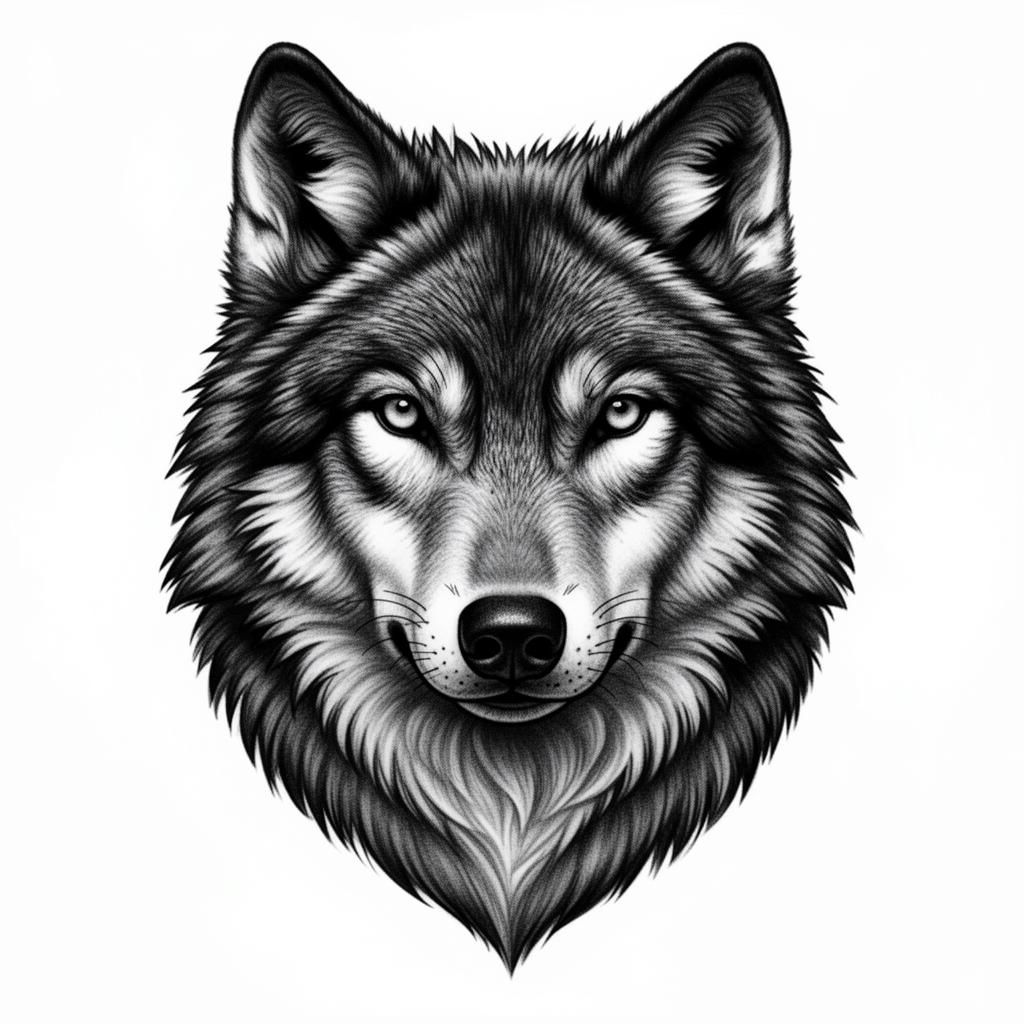
Realism tattooing is the art of translating photographs onto skin. The style emerged in the 1970s and 80s, pioneered by artists like Bob Tyrrell, Paul Booth, and Nikko Hurtado, who pushed traditional black-and-grey portraiture into territory that previously belonged to oil painters and photographers. Today's realism work — driven by digital reference tools, advanced needle configurations, and a generation of artists trained in fine art — produces tattoos so detailed they can be mistaken for photographs at a glance.
What separates realism from other illustrative styles is the absence of visible technique. A traditional tattoo wants you to see the bold lines and flat color zones; a fine line piece wants you to see the delicate linework. A great realism tattoo wants you to see only the subject — the artist becomes invisible, replaced by what looks like an actual photograph embedded in the skin. This requires extraordinary technical discipline: smooth gradient transitions, accurate skin tone rendering, microscopic detail control, and the kind of value range that mimics how light actually falls on three-dimensional forms.
The style splits into two main schools: black-and-grey realism (rooted in the Chicano portrait tradition of Los Angeles) and color realism (which exploded in the 2000s as ink quality and machine technology improved). Both demand the same fundamental skills, and both reward patience — most serious realism pieces take 8-15+ hours and benefit from sessions spaced weeks apart so the artist can adjust based on how the work heals. The result, when done well, is body art that genuinely captures a moment, a face, or a scene with photographic fidelity. Generate photoreal references in our AI-powered tattoo generator to bring to your next consultation.
What Realism Captures
Photographic Detail
Realism tattoos render the level of detail you'd see in a high-resolution photograph — individual hairs, skin pores, fabric textures, the catchlight in an eye. Nothing is suggested; everything is rendered.
True Value Range
A great realism piece uses the full tonal scale from pure white skin (negative space) through grey wash gradients to deep black. This value range is what creates the illusion of three-dimensional form on a flat surface.
Smooth Gradient Transitions
The hallmark of skilled realism is the absence of visible 'lines' between tonal zones. Light fades into shadow imperceptibly, mimicking how real surfaces actually catch and lose light.
Accurate Anatomy and Likeness
Realism portraits succeed or fail on likeness — the proportions of a face, the structure of an animal's skull, the geometry of an object must be accurate. A small error in proportion is immediately visible to the viewer.
Popular Subjects in Realism
Realism's photographic capability suits subjects where likeness, detail, or atmosphere matter more than stylization. Certain themes have become defining of the realism tradition.
- Portraits
- Realistic renderings of family members, public figures, or historical subjects. The most demanding realism category — likeness must be exact.
- Animal Realism
- Detailed portraits of pets, wildlife, or symbolic animals — wolves, lions, eagles, big cats — rendered with photographic fidelity.
- Eye Realism
- Detailed close-ups of human or animal eyes, often standalone pieces capturing emotional intensity. A signature realism subject.
- Religious and Sacred Imagery
- Madonnas, saints, religious figures, and sacred scenes rendered with the reverent detail of Renaissance painting.
- Nature and Landscapes
- Mountains, oceans, forests, sunsets — atmospheric scenes capturing specific moments of light and weather.
- Architectural Detail
- Cathedrals, ruins, cityscapes, and architectural studies — popular among collectors drawn to historical or geographic significance.
- Object Realism
- Watches, jewelry, weapons, books — detailed renderings of meaningful objects, often combined with portraits or symbolic backgrounds.
- Color Realism Floral
- Photorealistic roses, peonies, lilies — capturing the soft gradients and color depth of real flowers in full bloom.
Best Placements for Realism Tattoos
Realism work demands large canvases — the photographic detail simply doesn't translate to small areas. Most realism pieces are sized at least palm-large, and many work best at significantly larger scales.
- Forearm and Upper Arm
- The most common realism placement. Long, flat surface ideal for portraits, single-subject pieces, and detailed standalone designs.
- Sleeve and Half-Sleeve
- Realism's natural canvas for ambitious work. Allows full scenes — portraits with backgrounds, multiple subjects, atmospheric storytelling pieces.
- Thigh
- Excellent for large standalone realism — detailed portraits, wildlife pieces, or atmospheric landscapes that benefit from a broad, stable canvas.
- Back and Chest
- Reserved for ambitious projects — full-back portraits, religious scenes, or epic-scale realism. Long sittings required and exceptional artist commitment.
Who Should Choose a Realism Tattoo?
Realism tattoos suit people who want body art that captures something specific — a person, a place, a moment. They're ideal for memorial tattoos, deeply personal portraits, and collectors drawn to photographic detail. Be ready for the time commitment (most pieces span multiple sessions), the cost (realism specialists command premium rates), and the knowledge that no realism piece holds detail forever — touch-ups every 10-15 years are normal. If you want bolder or more graphic aesthetics, explore traditional or blackwork styles instead.
Realism Tattoo Designs — Community Gallery
Realism Tattoo FAQ
Related Tattoo Styles
Surrealist Tattoos
Dream-like imagery blending reality and fantasy. Surrealist tattoos feature impossible scenes, melting forms, and mind-bending compositions inspired by artists like Dalí.
Explore SurrealistChicano Tattoos
Bold black and grey artwork rooted in Mexican-American culture. Chicano tattoos feature portraits, religious imagery, script lettering, and cultural symbolism.
Explore ChicanoFine Line Tattoos
Delicate, precise linework creating intricate designs. Fine line tattoos use single-needle technique for ultra-thin, detailed artwork.
Explore Fine LineNeo-Traditional Tattoos
A modern evolution of traditional tattoos with richer color palettes, more complex compositions, and detailed shading techniques.
Explore Neo-TraditionalCreate Custom Realism Tattoo Designs with AI
Use our free AI Tattoo Generator to create unique realism designs in seconds. No artistic skills needed.