AI Fine Line Tattoo Generator
Delicate, precise linework creating intricate designs. Fine line tattoos use single-needle technique for ultra-thin, detailed artwork.
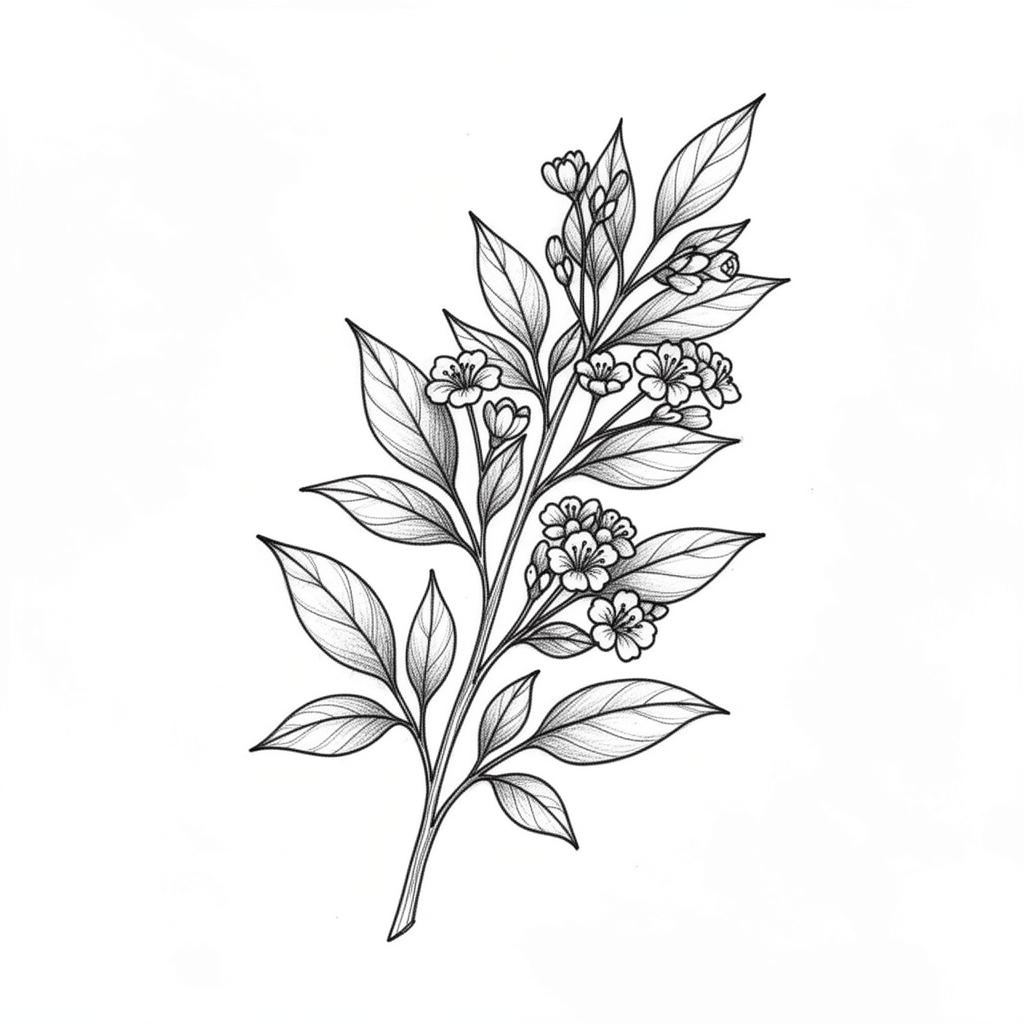
Fine line tattooing is the art of drawing on skin. Using single-needle machines and ultra-thin line weights — often less than 1mm — fine line artists produce work that looks like pencil sketches, ink drawings, or pen illustrations applied directly to the body. The style emerged in the 1980s in Los Angeles' Chicano black-and-grey scene, where artists like Jack Rudy and Mark Mahoney refined single-needle technique for portraiture. From there it spread into the modern fine-line aesthetic that dominates contemporary tattoo culture today.
What makes fine line different from minimalist work is detail density. Minimalist tattoos celebrate empty space; fine line tattoos pack remarkable detail into small areas — botanical illustrations with visible leaf veins, portraits with subtle shading, illustrative animals with texture and depth — all rendered in line weights so thin they could pass for ink on paper. The technique demands perfect needle control, steady hand pressure, and an artist's eye for which details to keep and which to leave out.
Fine line work has become the signature style of celebrity tattoo artists like Dr. Woo, Brian Woo, JonBoy, and Bang Bang's fine-line team. It's the style most associated with the Instagram-era tattoo boom — beautiful, photogenic, and adaptable to almost any subject. The trade-off is durability: fine line tattoos require more careful aftercare and are more prone to fading than bold work. Use our free AI tattoo generator to draft fine line concepts before booking a session.
What Sets Fine Line Tattoos Apart
Single-Needle Technique
Fine line work uses one-needle or three-needle configurations to produce lines as thin as 0.3mm. This contrasts with traditional tattoos, which use 7-9 needle groupings for bold outlines.
Illustrative Detail
Fine line tattoos can capture details that bolder styles can't — a single eyelash on a portrait, the veins on a leaf, the texture of fabric. The thin lines act like pencil strokes.
Soft Black-and-Grey Shading
Many fine line pieces use diluted black ink (sometimes called 'grey wash') to create gradient shading that mimics graphite or ink wash. The result reads as drawing, not tattoo.
Photographic Realism Capability
Fine line is the foundation of modern realism tattoos. The thin needle work allows for the subtle gradients and detail levels needed to render photorealistic faces, animals, and scenes.
Popular Fine Line Tattoo Subjects
Fine line tattoos can render almost any subject, but certain themes have become signatures of the style — the kind of imagery that translates beautifully to thin linework and delicate shading.
- Botanical Illustrations
- Detailed flowers, herbs, and plants rendered with botanical-textbook precision. Roses, peonies, lavender, and wildflowers are perennial favorites.
- Single-Line Portraits
- Faces and figures drawn in continuous, unbroken lines — capturing essence with minimal strokes. A signature look in contemporary fine line work.
- Animal Portraits
- Detailed animal renderings — wolves, foxes, lions, hummingbirds, butterflies — captured with subtle shading and fine textural detail.
- Fine Line Lettering
- Handwriting-style scripts, calligraphy, and elegant typography. Names, dates, words, and short phrases rendered as if written with a fine-tip pen.
- Illustrative Scenes
- Small landscapes, architectural studies, and narrative scenes packed with detail despite occupying only a few square inches of skin.
- Religious and Spiritual Imagery
- Madonnas, religious symbols, hands of Fatima, evil eyes, and spiritual figures rendered with reverent fine-line detail.
- Anatomical Studies
- Hearts, skulls, lungs, and anatomical drawings rendered in vintage medical-illustration style. Popular among medical professionals and anatomy enthusiasts.
- Constellations and Star Maps
- Detailed celestial illustrations — birth charts, star maps for significant dates, intricate astrological symbols — combining fine lines with delicate dotwork.
Best Placements for Fine Line Tattoos
Fine line tattoos suit placements with stable skin, low friction, and limited sun exposure. The thin lines that make fine line work beautiful are also what makes placement choice critical for longevity.
- Inner Forearm
- The single best placement for fine line work. Flat, stable, low-friction skin with manageable sun exposure. Works for botanical pieces, portraits, scripts, and illustrative scenes.
- Upper Arm and Bicep
- Also excellent for fine line. Stable skin and easy concealment for professional environments. Suits medium-sized illustrations and detailed portraits.
- Behind the Ear and Neck
- Great for very small fine line pieces — single flowers, short scripts, tiny animals. The skin is soft but expect the piece to require touch-ups over time.
- Ribs and Sternum
- Allows long, flowing fine line compositions — botanical chains, scripts running down the side, delicate religious imagery. Note: ribs are notably more painful than arms.
Who Should Choose a Fine Line Tattoo?
Fine line tattoos suit people drawn to detail, illustration, and photographic-quality body art. They're ideal for anyone wanting nuanced imagery — portraits, botanicals, intricate scenes — without the visual weight of bold work. Be ready for more careful aftercare and the possibility of touch-ups every 5-10 years. If you want maximum long-term durability with bolder visual impact, explore traditional or blackwork styles instead.
Fine Line Tattoo Designs — Community Gallery
Fine Line Tattoo FAQ
Related Tattoo Styles
Minimalist Tattoos
Clean, simple designs with thin lines and minimal detail. Perfect for subtle, elegant tattoos that make a statement through restraint.
Explore MinimalistRealism Tattoos
Photorealistic tattoos that capture lifelike detail. From portraits to nature scenes, realism tattoos showcase incredible artistic skill.
Explore RealismDotwork Tattoos
Thousands of individual dots creating intricate patterns and shading. Dotwork tattoos are meditative, precise, and visually mesmerizing.
Explore DotworkBlackwork Tattoos
Solid black ink creating bold, graphic designs. From geometric patterns to illustrative work, blackwork tattoos are striking and timeless.
Explore BlackworkCreate Custom Fine Line Tattoo Designs with AI
Use our free AI Tattoo Generator to create unique fine line designs in seconds. No artistic skills needed.