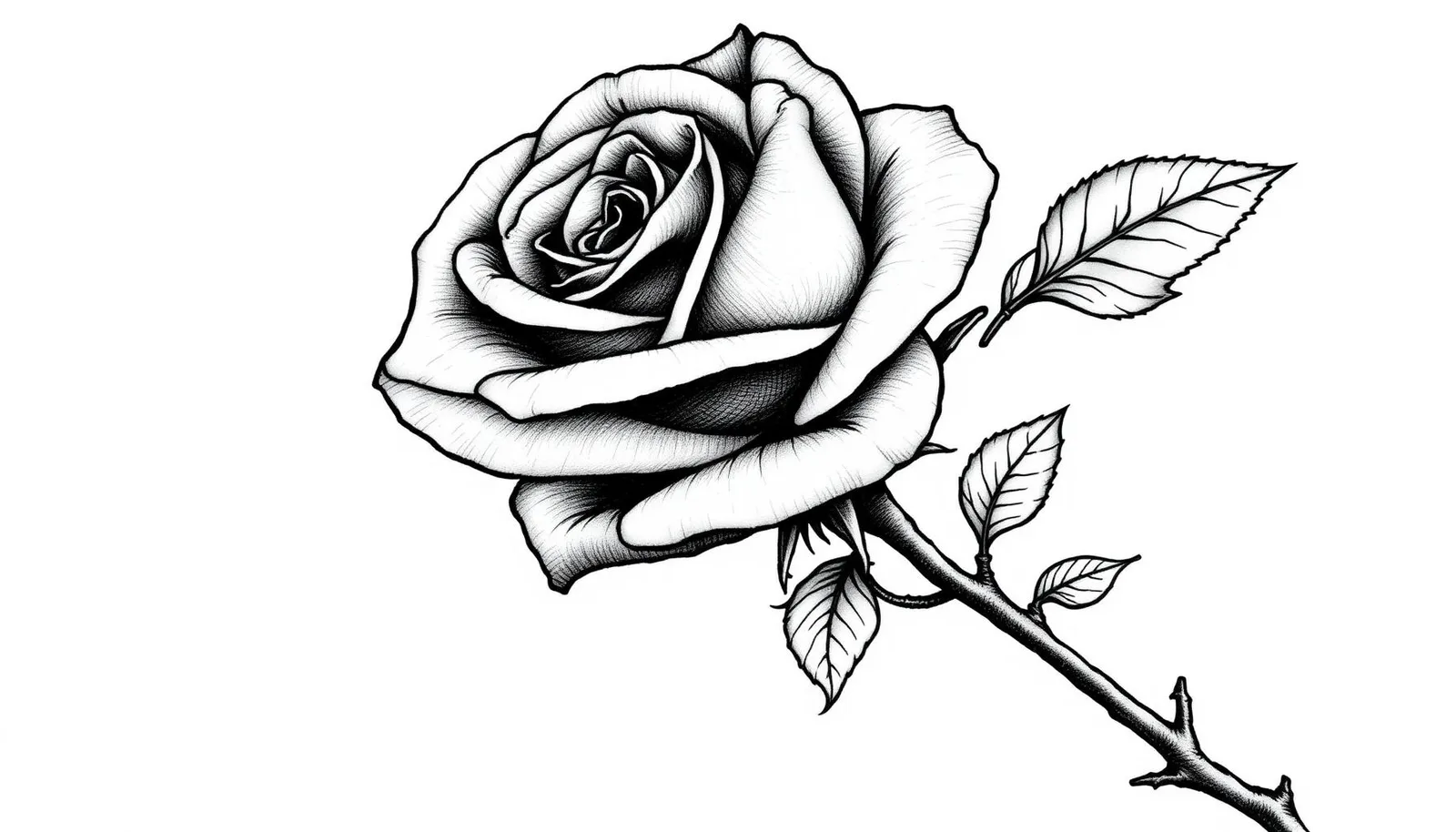
The rose may be the single most-tattooed flower in the world, and for good reason — no other floral subject carries as much accumulated symbolism. Roses have been associated with love and beauty since antiquity, but they've also stood for mourning, sacrifice, secrecy, religious devotion, and rebellion. The same flower can mean entirely different things depending on its color, what surrounds it, and what era of tattoo tradition it draws from.
Color is the most important variable. A red rose is not a black rose is not a purple rose — each carries distinct symbolic weight, and skilled tattoo design uses color as a deliberate language. Beyond color, context matters enormously: a rose with a dagger has martyrdom and sacrifice associations from American Traditional tradition; a rose with thorns emphasizes the bittersweet nature of love and beauty; a rose paired with a skull invokes memento mori; a rose alone on the wrist reads as quiet personal beauty.
This guide covers what rose tattoos symbolize, how meaning shifts dramatically by color, the most popular variations and tattoo styles for roses, and where on the body they read best. From single fine-line stems to ornate neo-traditional bouquets, the rose adapts to almost any aesthetic — which is why it remains a foundational tattoo subject across cultures, genders, and styles. Experiment with rose color and composition in our AI-powered tattoo generator before bringing a final design to your artist.
What Rose Tattoos Symbolize
Rose symbolism layers across multiple traditions. Greek and Roman mythology connected roses to Aphrodite and Venus, the goddess of love. Christian iconography ties the rose to the Virgin Mary (the rosary itself derives from "rose garden") and to the blood of martyrs. Victorian floriography turned roses into a coded language where each color sent a specific message. American Traditional tattoo flash made the rose one of the foundational motifs of Western tattooing.
What unifies these traditions is the rose's central tension — the bloom is beautiful but the stem has thorns. Roses are pleasure paired with pain, beauty inseparable from mortality. The thorns are essential to the symbolism; a rose without thorns isn't quite a rose.
Love and Romance
The most common modern interpretation. A red rose tattoo, especially in classic American Traditional style, signals romantic love or a deeply held passion. Often combined with names, dates, or partner-related imagery for memorial or relationship tattoos.
Beauty and Impermanence
Roses bloom briefly, then fall. A rose tattoo can carry the same memento mori weight as a skull or a falling petal — beauty exists in time, and that's what makes it precious. Often combined with clocks, butterflies, or other transience imagery.
Sacrifice and Devotion
The Christian rose tradition, the Marian Catholic symbolism, the rose-as-bloodshed metaphor for martyrs. Often paired with religious imagery, crosses, or hands clasped in prayer.
Secrecy and Hidden Truth
"Sub rosa" — under the rose — is the Latin phrase for "in confidence." Roses historically symbolized secrecy in Roman culture and later in Victorian floriography. A rose tattoo with closed petals or hidden symbolism can carry this meaning of guarded truth.
Color Symbolism — Why the Rose's Color Matters
Rose color is the most decisive symbolic choice in a rose tattoo. The same flower in different colors carries completely different meaning. Choose color deliberately.
Red Rose
The classic. Romantic love, passion, deep emotion. Also: courage, sacrifice (especially in military and martyrdom contexts), and traditional American flash imagery. The red rose is the most-tattooed rose color and arguably the most-tattooed flower variation overall.
White Rose
Purity, new beginnings, innocence, and remembrance. Often used in memorial tattoos for those who died young or for new chapters of life. White roses also carry religious significance in Marian Catholic tradition.
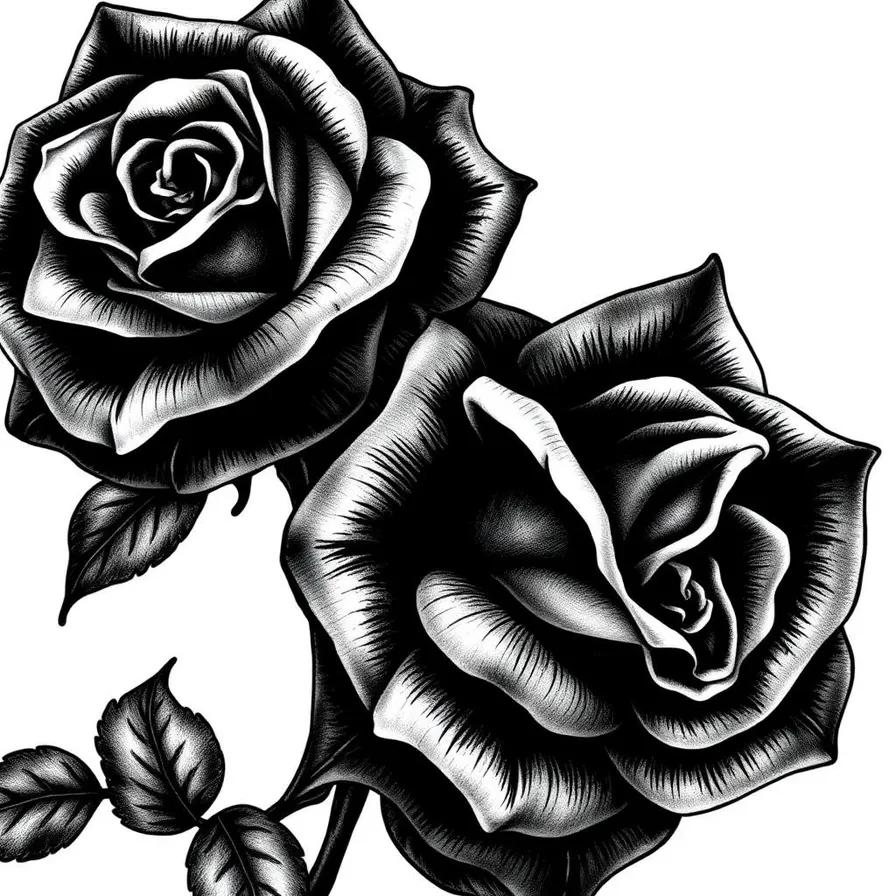
Black Rose
Mourning, loss, and farewell — but also rebellion, gothic aesthetic, and a kind of beautiful darkness. Black rose tattoos became symbolic in the early 20th century as Irish republican imagery (the "Black Rose of Ireland"). Today black rose tattoos often signal grief or signal a particular gothic and dark aesthetic preference.
Purple Rose
Royalty, enchantment, and love at first sight in Victorian floriography. Less common than red or black; purple roses don't occur naturally and were historically only available to those with access to expensive dyes, adding to the regal symbolism.
Yellow Rose
Friendship, joy, and warm regard. Less romantic than red, more affectionate than platonic. Often chosen for tattoos celebrating friendships or family bonds rather than romantic love.
Blue Rose
Mystery, the impossible, and the unattainable. Blue roses don't exist in nature (they're created through dye or genetic modification), making them symbols of the search for the unreachable. Popular in fantasy and surrealist tattoo work.
Popular Rose Tattoo Variations
- Single Rose (Stem and Bloom)
- One detailed rose with stem and leaves. The classic standalone rose tattoo. Works at almost any size, from delicate fine-line to bold traditional.
- Rose with Thorns
- Detailed rose emphasizing the thorns as much as the bloom. Symbolizes love's pain alongside its beauty.
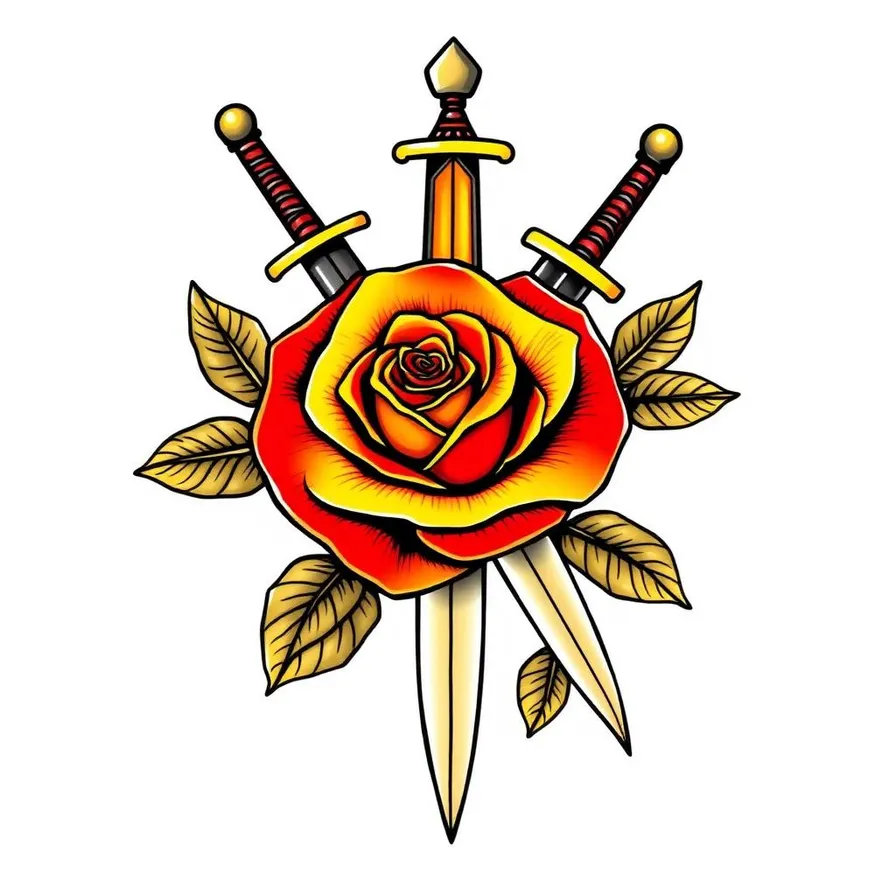
- Rose and Dagger
- American Traditional classic. The dagger pierces the rose; symbolizes sacrifice, betrayal, or love that hurts. One of the most iconic tattoo flash compositions.
- Rose and Skull
- Memento mori pairing. Beauty and death together; reminds the viewer that all bloom is temporary. Heavy in goth, biker, and Day of the Dead aesthetics.
- Rose Bouquet
- Multiple roses arranged together, often with smaller filler flowers. Suits larger placements (forearm, thigh, back); allows for color variety within one composition.
- Rose with Clock or Hourglass
- Beauty paired with time. Memento mori with romantic overtones.
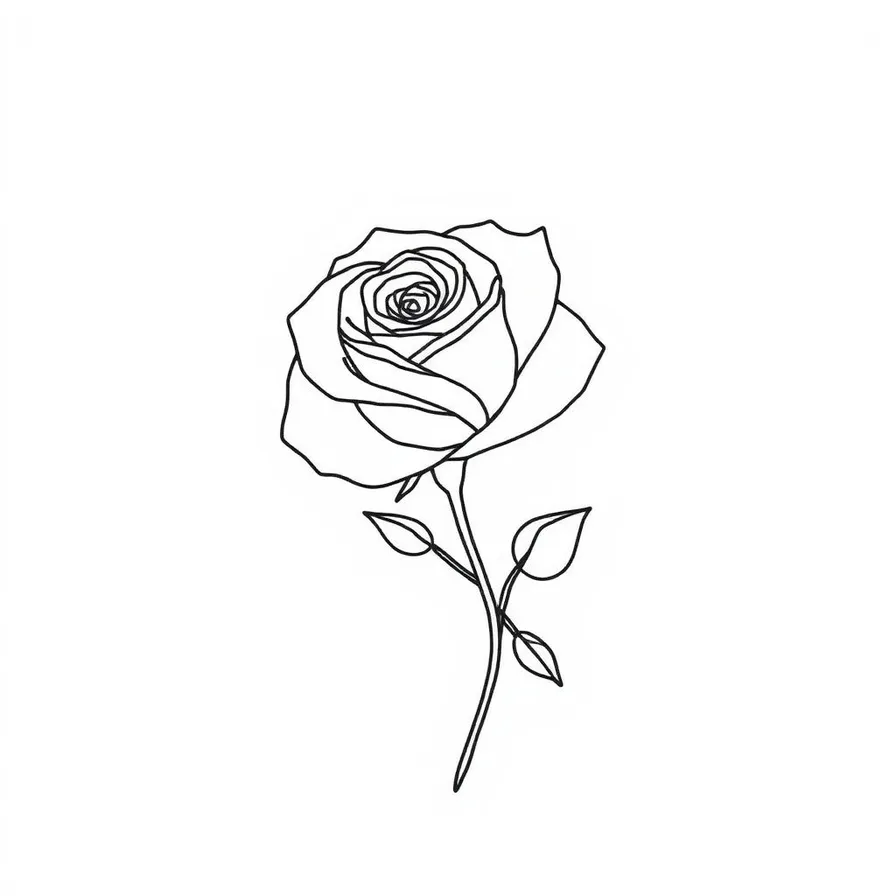
- Single-Line Rose
- Continuous-line minimalist rose drawn without lifting the pen. Modern fine-line aesthetic; emphasizes form over detail.
- Rose with Snake
- Garden of Eden imagery, temptation, or the union of beauty and danger. Strong neo-traditional and illustrative subject.
Best Tattoo Styles for Roses
Roses are remarkably adaptable across tattoo styles — perhaps the most adaptable subject in body art. The right style depends on the emotional register you want.
- Traditional
- American Traditional roses are foundational tattoo flash. Bold outlines, saturated red, and iconic compositions (rose with dagger, rose with banner, rose with anchor). Ages exceptionally well.
- Fine Line
- Delicate, illustrative roses with botanical detail — visible petal veins, subtle shading, single-needle precision. Best for smaller, more refined rose tattoos.
- Neo-Traditional
- Roses with rich jewel-tone color, dimensional shading, and ornamental framing. Bridges traditional and illustrative aesthetics.
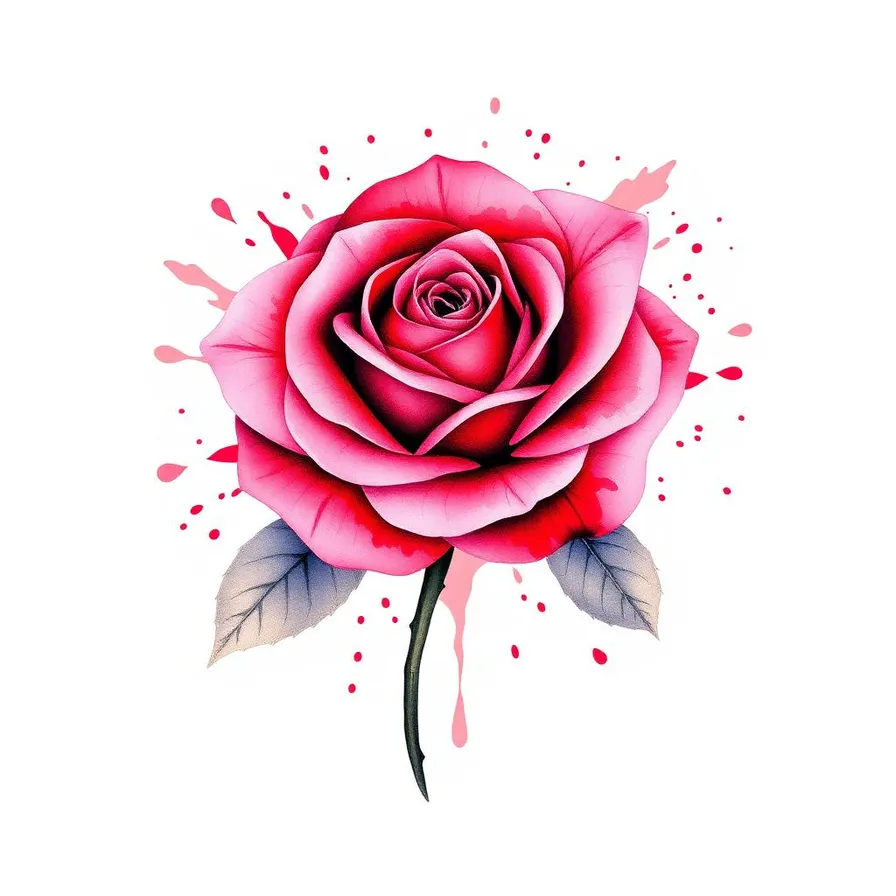
- Watercolor
- Roses with painterly color washes and soft outlines. Captures the delicate, ephemeral quality of fresh blooms.
Best Placements for Rose Tattoos
Roses work at almost every scale and placement, which is part of their appeal. The right placement depends on the design's complexity and intended visibility.
- Forearm
- The most popular rose placement. Suits roses of all sizes from small fine-line to detailed neo-traditional pieces. Highly visible, easy to conceal under sleeves.
- Shoulder and Upper Arm
- Best for medium-large rose pieces, especially traditional flash style or rose-and-dagger compositions. Easy professional concealment.
- Thigh
- Excellent for rose bouquets, large rose-and-snake pieces, or neo-traditional rose compositions with extensive backgrounds. Stable canvas, mostly covered.
- Wrist and Forearm Inner
- Ideal for small fine-line single roses, single-line rose drawings, or delicate stems. Intimate, personal placement; classic for rose memorial pieces.
Who Should Choose a Rose Tattoo?
Rose tattoos suit almost everyone — which is part of their power. They work for romantic memorials, celebrations of love, expressions of personal beauty, mourning pieces, religious devotion, and pure aesthetic preference. The rose's adaptability across genders, ages, cultures, and styles makes it one of the few tattoo subjects that doesn't really limit the wearer at all. The choice comes down to color, context, and style — those are what give your rose tattoo its specific meaning. If you want a similar aesthetic depth in a different floral subject, explore butterfly tattoo ideas. If you want something with stronger directional symbolism, consider wolf tattoo ideas or dragon tattoo ideas.
Frequently Asked Questions
No time to design?
Let AI create your tattoo in seconds.
Ready to Create Your Own Rose Tattoo Tattoo?
Generate a custom AI tattoo design in seconds — no signup needed to preview.
Related Tattoo Ideas
Wolf Tattoo Ideas
Bold, symbolic wolf tattoo designs representing loyalty, strength, and independence.
Butterfly Tattoo Ideas
Elegant butterfly tattoo designs symbolizing transformation, freedom, and beauty.
Skull Tattoo Ideas
Iconic skull tattoo designs representing mortality, rebellion, and the celebration of life.