The wolf is one of the most powerful symbols in body art — a creature whose meaning shifts dramatically depending on culture, pose, and context. A howling wolf reads differently from a snarling alpha; a lone wolf carries different weight than a wolf pack. Across Native American, Norse, Celtic, Roman, and Japanese traditions, wolves have stood for guardianship, family loyalty, primal independence, and spiritual guidance — sometimes all at once. Few tattoo subjects let you say so much with a single image.
What draws people to wolf tattoos is rarely the animal alone. It's what the wolf represents in their own life — the family they protect, the freedom they pursue, the strength they've had to summon, the intuition they trust. A wolf tattoo is autobiographical the moment it goes on skin. The challenge is choosing the version of the wolf that captures your story, then finding the design and placement that wears it well.
This guide walks through what wolf tattoos symbolize, how their meaning shifts across cultures, the most popular variations and styles, and where on the body they read best. Whether you're considering a small minimalist wolf on the wrist or a full sleeve with mountain backgrounds and a pack scene, the goal is the same: a piece that means something to you and ages beautifully. Want to visualize your own version first? Try our AI tattoo generator to draft custom wolf designs before booking your session.
What Wolf Tattoos Symbolize
The wolf's symbolism splits along emotional lines. On one side is the social wolf — the pack animal, fiercely loyal, family-focused, willing to fight for its own. On the other is the lone wolf — independent, intuitive, drawn to the edges of civilization, comfortable in solitude. Most great wolf tattoos pick one of these poles and lean into it intentionally.
Wolves have also long stood for protection and primal strength. They appear as guardians in mythologies across continents, often shielding heroes or deities. The wolf's presence on skin can read as a personal reminder of that protective force — a totem for someone who's faced something hard or made a major life transition.
Loyalty and Family
The pack-animal interpretation. A wolf tattoo with multiple figures — pack scenes, alpha-with-cubs compositions — typically reads as a tribute to family bonds, chosen family, or close friendships that feel like family.
Strength and Protection
A snarling wolf, a wolf with bared teeth, or a wolf in defensive posture symbolizes the strength to protect oneself or others. Often chosen by people who've survived something or who think of themselves as guardians of someone they love.
Independence and Freedom
The lone wolf — running across mountains, howling at the moon, standing alone against a landscape — speaks to self-reliance, comfort with solitude, and personal freedom. The most common interpretation in modern Western tattoo culture.
Wisdom and Intuition
Wolves are pack hunters with sophisticated communication and remarkable instinct. Tattoos emphasizing the eyes, especially with subtle expression, often symbolize intuitive intelligence and the ability to read situations others miss.
Cultural Meanings Across Traditions
Wolf symbolism varies dramatically across cultures. Choosing imagery from a tradition you're connected to — by heritage, study, or genuine affinity — adds depth and authenticity to the tattoo. Doing this respectfully matters; cultural symbols carry weight beyond their visual appeal.
Native American Traditions
Many Native American tribes — including Pawnee, Lakota, Cherokee, and others — view the wolf as a spiritual guide and protector. Specific meanings vary significantly by tribe; the wolf isn't a monolithic symbol across Indigenous American cultures. For Pawnee warriors, the wolf was a path to fierce courage; for some Plains peoples, the wolf was a hunting teacher and pathfinder. If you're drawn to Native American wolf imagery, research the specific tribal tradition you're referencing — generic "Native American" wolf designs often blur distinct cultures into one.
Norse Mythology
Norse traditions include some of the most powerful wolf imagery in mythology. Fenrir, the monstrous wolf prophesied to kill Odin at Ragnarok, represents primal chaos and the limits of even divine power. Geri and Freki, Odin's loyal wolf companions, symbolize fidelity and the bond between leader and follower. Wolf tattoos with Norse runic elements, Viking ship contexts, or paired with ravens (Odin's other companions) draw on this rich tradition.
Roman Mythology
The Capitoline Wolf — the she-wolf who suckled Romulus and Remus — is the founding myth of Rome itself. In Roman tradition, wolves represent civilization's wild roots and the protective maternal force that nurtures greatness from beginnings. A wolf tattoo with Roman or Italian heritage connections often references this origin story.
Celtic Tradition
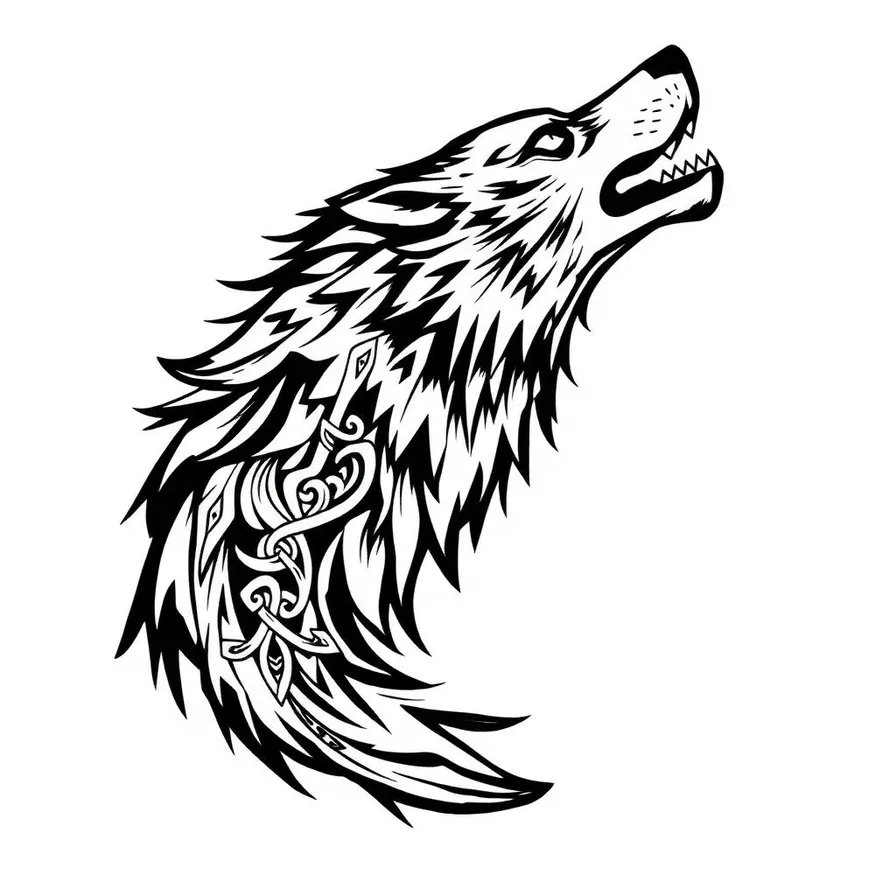
In Celtic mythology, wolves are guardian spirits associated with the wild lands beyond civilization. The Cailleach, an ancient Celtic deity, was sometimes depicted with wolves. Celtic-knot wolf designs combine the wolf's symbolism with the eternal-loop imagery of Celtic ornamentation — a powerful pairing for those with Irish, Scottish, or broader Celtic heritage.
Japanese Folklore
The Okami (Japanese for "wolf") was historically considered a mountain protector and messenger of mountain deities. Unlike Western wolves, Japanese wolves were generally seen as benevolent — guardians who watched over travelers and farmers. Now-extinct in Japan since 1905, the Okami carries an additional layer of meaning: a memorial to a lost guardian.
Popular Wolf Tattoo Variations
- Howling Wolf
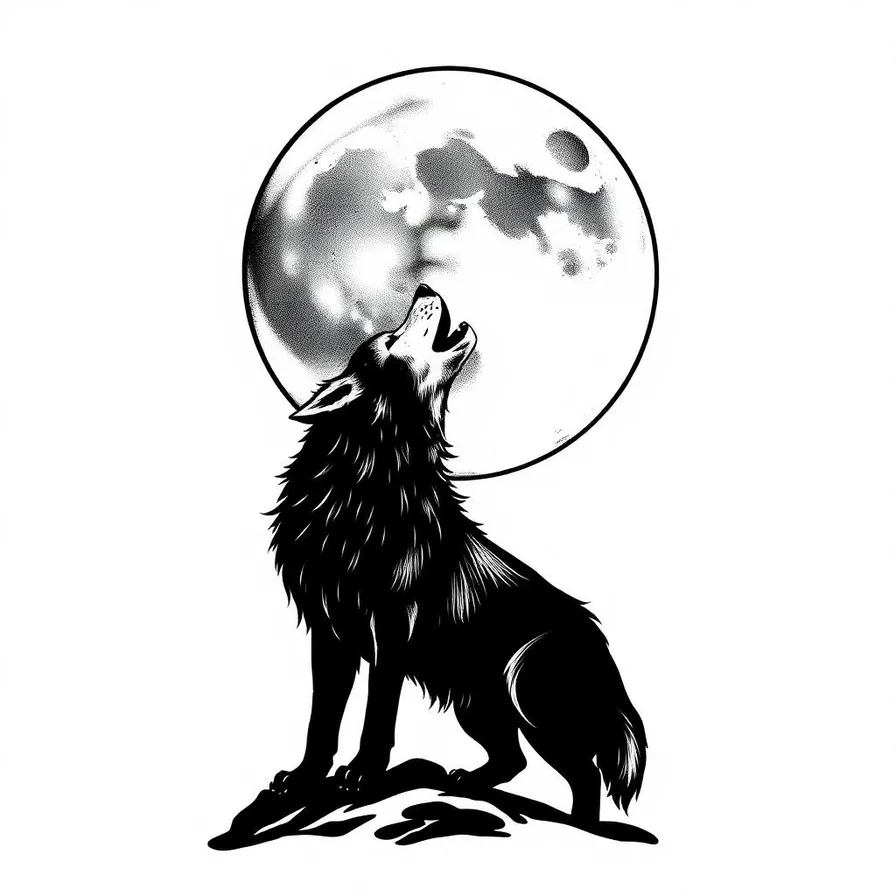
- A wolf with raised muzzle, often silhouetted against a moon. Signals primal expression, longing, and connection to instinct.
- Lone Wolf
- A solitary wolf, often in a landscape or against negative space. The most popular Western interpretation: independence, self-reliance, and comfort with solitude.
- Wolf Pack
- Multiple wolves in formation, hunting or moving together. Symbolizes family, loyalty, and the strength found in chosen community.
- Wolf and Moon
- A wolf with a full moon, crescent, or lunar phases. Pairs the wolf's primal symbolism with feminine, cyclical, and intuitive energies.
- Snarling Alpha Wolf
- A wolf showing teeth, in defensive or aggressive posture. Strength, protection, and the willingness to defend what matters.
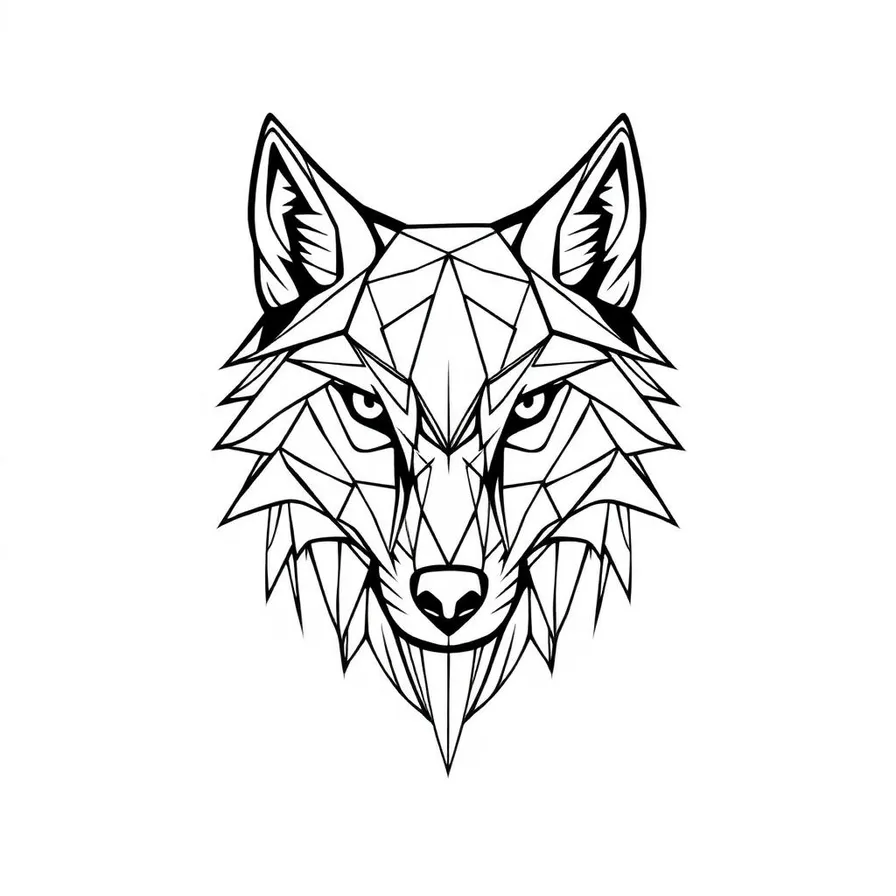
- Geometric Wolf
- A wolf rendered from triangular facets and clean geometric lines, often with sacred geometry elements. Modern and graphic.
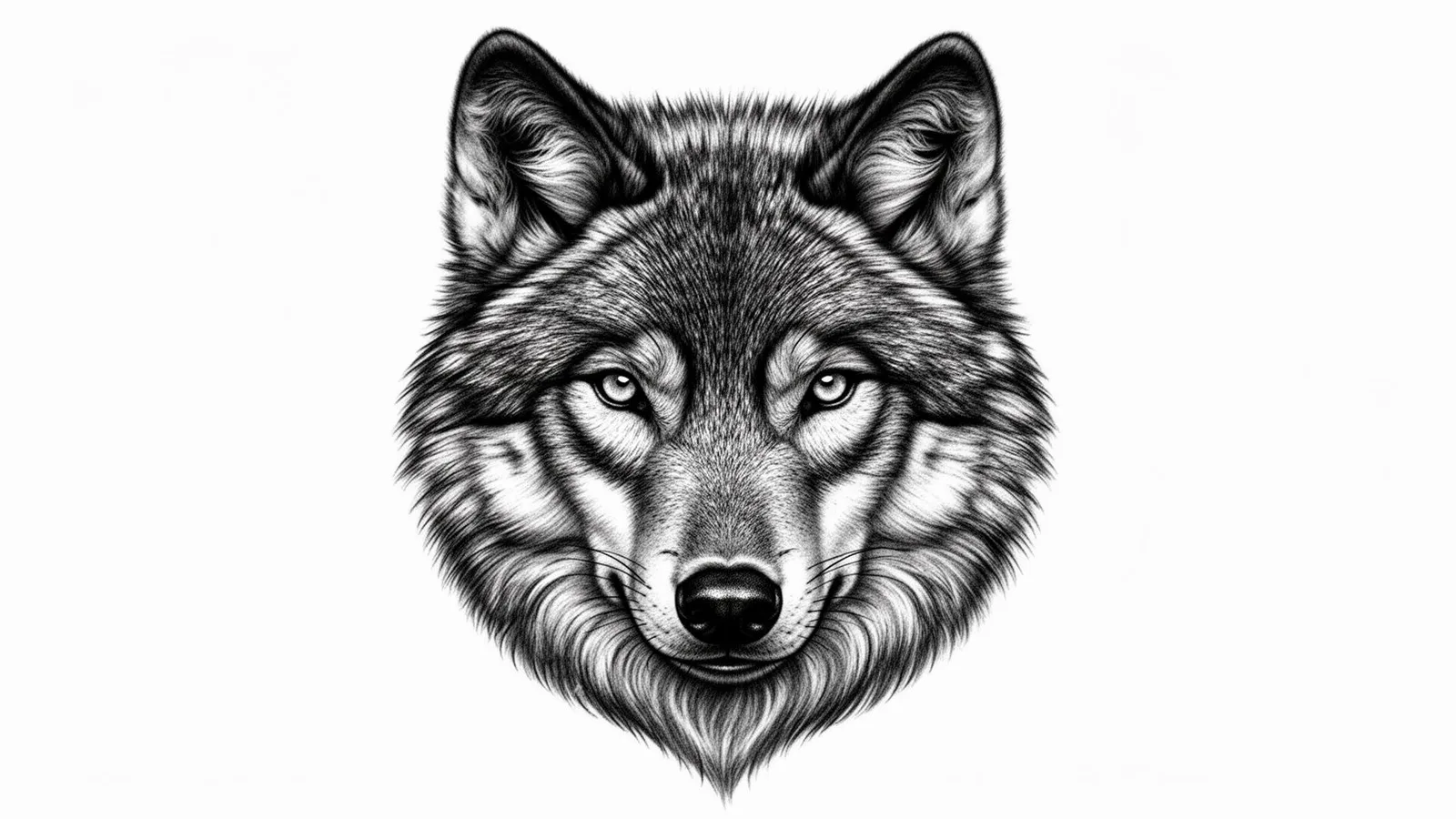
- Wolf Portrait (Realistic)
- Photorealistic wolf face, often focused on the eyes. Captures personality and emotional intensity rather than action.
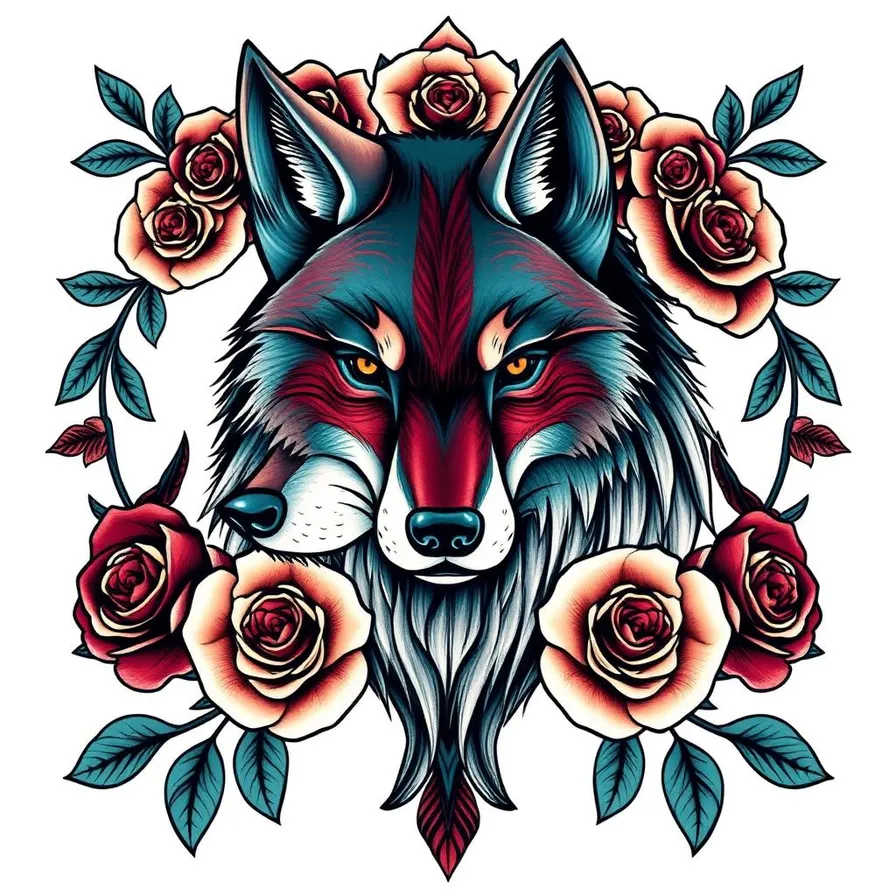
- Wolf with Florals
- A wolf paired with roses, peonies, or wildflowers. The juxtaposition of fierce and delicate creates visual tension; popular in neo-traditional and feminine wolf interpretations.
Best Tattoo Styles for Wolves
The wolf's adaptability to different tattoo styles is part of why it's so popular. Each style emphasizes different aspects of the wolf's symbolism — choose the style that fits the meaning you want to convey.
- Realism
- Photorealistic wolf portraits emphasizing fur texture, eye expression, and emotional depth. Best for capturing the wolf's intensity and personality. Demands a skilled realism specialist and significant canvas size.
- Geometric
- Faceted wolves built from triangles and clean lines, often with sacred geometry elements. Modern, graphic, and ages exceptionally well thanks to bold linework.
- Blackwork
- Bold, high-contrast wolves with solid black fills. Maximum visual impact and excellent longevity. Suits illustrative or stylized wolf interpretations.
- Neo-Traditional
- Ornamental wolves with decorative collars, botanical frames, and dimensional shading. Combines the wolf's fierce symbolism with refined illustrative beauty.
Best Placements for Wolf Tattoos
Wolf tattoo placement depends on the size and complexity of the design. A small minimalist wolf works almost anywhere; a full realistic portrait with background elements demands a substantial canvas. Match placement to design ambition.
- Forearm
- The most popular wolf tattoo placement. Long, flat surface ideal for portrait work, geometric wolves, or vertical compositions. Highly visible and easy to show or conceal.
- Upper Arm and Sleeve
- Best for larger compositions: wolf portraits with mountain backgrounds, full pack scenes, or wolves with elaborate decorative frames. Natural canvas for ambitious wolf pieces.
- Back and Shoulder Blade
- Reserved for major wolf compositions — life-size portraits, multi-element scenes, or wolves with full landscapes. The largest available canvas for ambitious work.
- Thigh
- Excellent standalone canvas for medium-large wolf pieces. Stable skin, mostly covered, broad surface area for detail. Popular for wildlife realism and ornamental wolf work.
Who Should Choose a Wolf Tattoo?
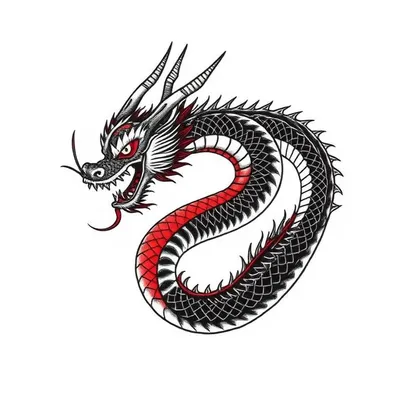
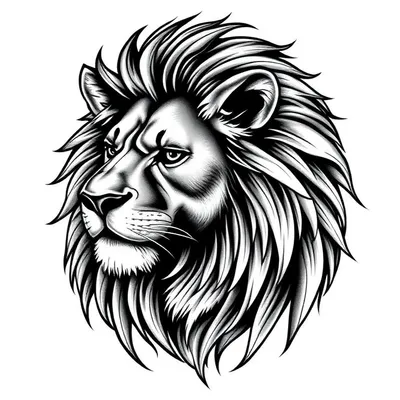
Wolf tattoos suit people drawn to themes of family, loyalty, strength, independence, or guardianship — and people who want body art with real symbolic depth. They work for memorial pieces honoring family or chosen community, for personal markers of resilience or transition, and for collectors who simply find the wolf's visual presence compelling. The wolf is genuinely one of the most versatile tattoo subjects: small or large, realistic or stylized, fierce or contemplative — there's a wolf design that fits almost any aesthetic preference. If you want a more delicate or floral subject, explore butterfly tattoo ideas or rose tattoo ideas. If you want imagery with similar power but different cultural weight, consider dragon tattoo ideas or lion tattoo ideas.
Frequently Asked Questions
No time to design?
Let AI create your tattoo in seconds.
Ready to Create Your Own Wolf Tattoo Tattoo?
Generate a custom AI tattoo design in seconds — no signup needed to preview.