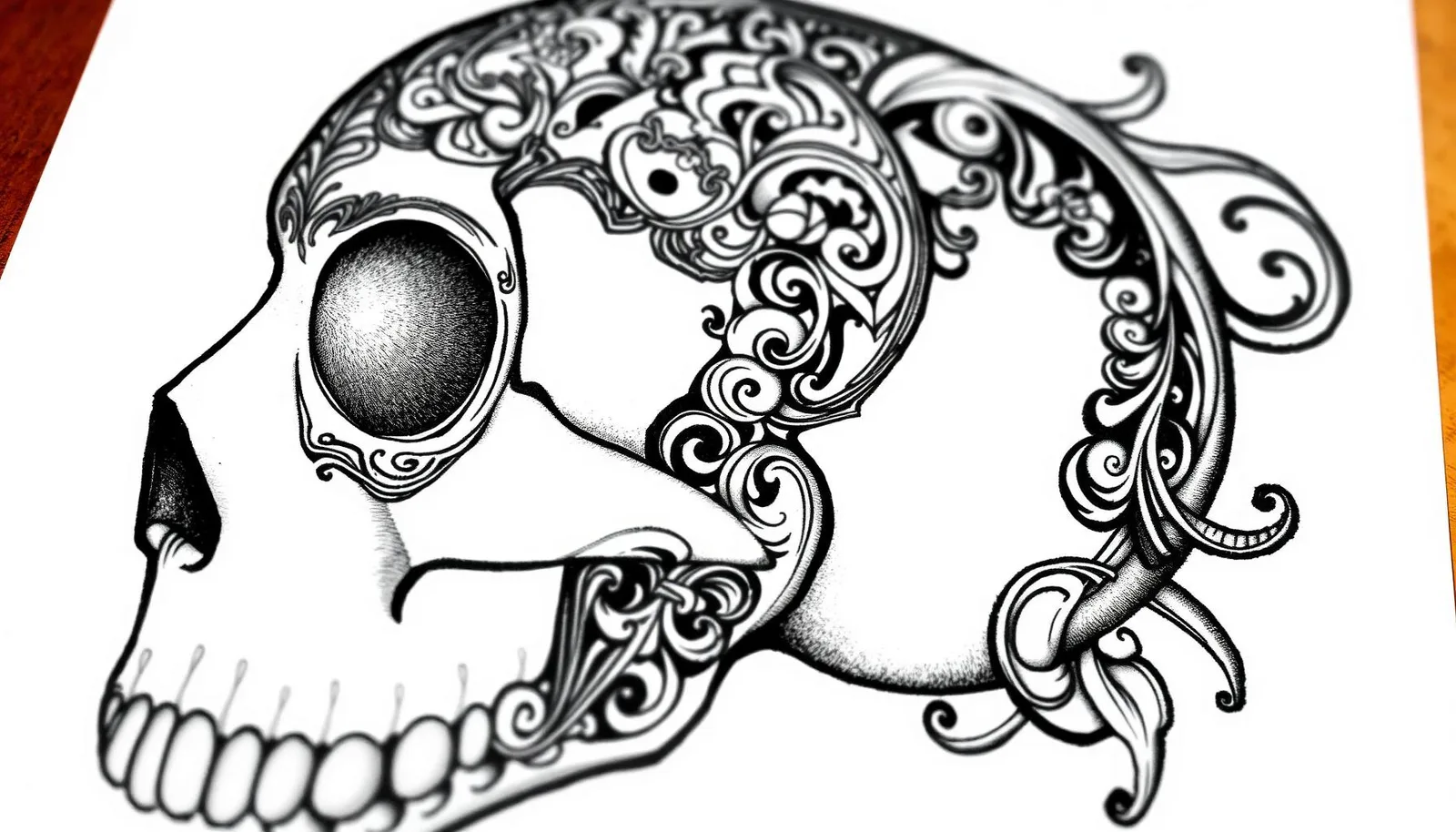
Few tattoo subjects carry as many contradictory meanings as the skull. In Mexican tradition, skulls celebrate life and honor ancestors. In medieval European art, they reminded viewers of mortality and humility. In biker and rock cultures, skulls signal rebellion and freedom from convention. In Buddhist tradition, skulls are meditation tools for accepting impermanence. The same shape — the human cranium — has stood for grief, defiance, joy, and spiritual awakening depending on which culture is reading it.
This contradiction is part of what makes skull tattoos so powerful. A skull is never just a skull; the artist's choices about color, decoration, accompanying imagery, and style determine which thread of skull symbolism the finished piece speaks. A sugar skull (calavera) celebrates remembered loved ones. A plain anatomical skull invokes memento mori traditions. A skull with roses balances death and beauty. A skull with serpents drawing through the eye sockets carries different weight altogether.
This guide covers the major cultural traditions behind skull tattoos, popular variations, the styles that suit them best, and where on the body they read with the most impact. Skull tattoos are common but rarely shallow — they're chosen by people thinking seriously about life, death, memory, and what they want their body art to say about how they hold those things. Sketch skull variations instantly with our AI tattoo design generator and refine the composition before tattooing.
What Skull Tattoos Symbolize
Skull symbolism splits along several axes: meditation versus celebration, mourning versus defiance, memory versus warning. The choice of style and accompanying imagery shifts which meaning leads.
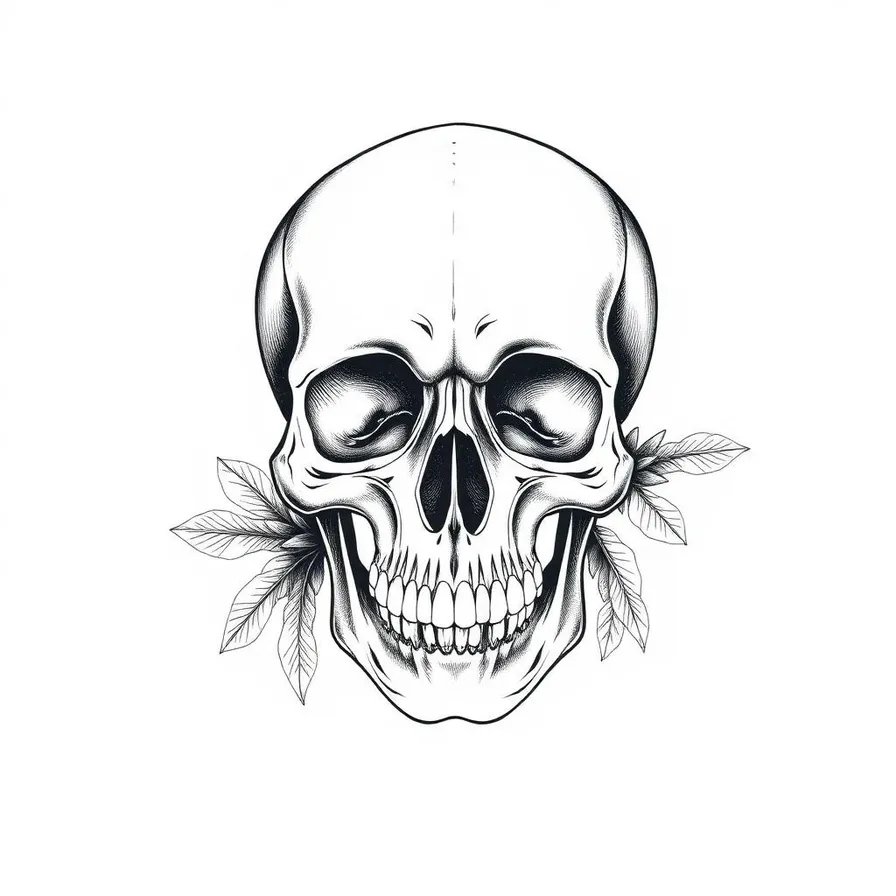
Memento Mori — Remembering Mortality
The classical interpretation. "Memento mori" — Latin for "remember you must die" — is a tradition stretching back to Roman antiquity, where reminders of mortality were used to encourage humility, wisdom, and meaningful living. Plain skull tattoos, especially in monochrome blackwork or fine-line illustration, often carry this contemplative meaning.
Celebration of Life and Ancestors
The Mexican Día de los Muertos tradition reframes the skull entirely — not as a reminder of death but as a celebration of remembered lives. Sugar skulls (calaveras) decorated with bright flowers, names, and joyful patterns honor specific deceased loved ones. The skull becomes a portal for connection rather than a warning of ending.
Rebellion and Counterculture
In biker, punk, and rock culture, skulls signal independence from mainstream values, comfort with mortality, and defiance against social norms. Skull-and-crossbones, skull-with-flames, and skull-with-rose pairings often draw on this counterculture register.
Spiritual and Meditative
Buddhist and tantric traditions use skull imagery as meditation tools — kapala bowls, skull malas — to accept impermanence and dissolve attachment to the physical self. Tattoo designs drawing on this tradition (skulls with mandalas, skulls in meditation poses, third-eye skulls) carry contemplative spiritual weight.
Cultural Meanings Across Traditions
Skull symbolism varies dramatically across cultures. The same image can read as celebration, warning, devotion, or rebellion depending on the tradition you're drawing from.
Mexican — Día de los Muertos and Sugar Skulls
The Mexican Day of the Dead (November 1-2) is the most influential cultural tradition shaping modern skull tattoos. Sugar skulls (calaveras de azúcar) are decorated, brightly colored, often labeled with the names of deceased loved ones. The tradition reframes death as a continuation of relationship rather than an ending. Sugar skull tattoos in this tradition typically feature flowers (especially marigolds — cempasúchil), elaborate patterns, vibrant color, and often the name of the person being honored.
European Memento Mori
European Christian and Renaissance traditions used the skull as a meditation tool — vanitas paintings, monastic decorations, alchemical symbols. The tradition emphasizes humility, the equality of all in death, and the call to live meaningfully. European-influenced skull tattoos often feature monochrome rendering, hourglasses, withered flowers, or text in Latin or Old English.
Buddhist and Tantric Traditions
In Tibetan Buddhism and certain tantric practices, skulls (especially the skull cup or kapala) appear as meditation tools and ritual objects. The skull represents the dissolution of ego attachment and the acceptance of impermanence (anicca). Skull tattoos influenced by these traditions often combine skulls with mandalas, lotus flowers, third eyes, or specific deities.
Biker, Punk, and Rock Culture
Twentieth-century counterculture adopted the skull as a symbol of rebellion, independence from convention, and comfort with the darker aspects of life. Iron Maiden's Eddie, Hells Angels imagery, punk skull-and-crossbones — these contemporary skull traditions emphasize defiance and authenticity over traditional meaning. Biker skull tattoos often appear with flames, motorcycles, or rebellion-themed text.
Pirate and Maritime History
The Jolly Roger — skull and crossbones — is one of the oldest skull symbols in Western tradition. Originally a maritime warning flag, the symbol now carries broader meanings of adventure, freedom from convention, and willingness to live outside society's rules. Pirate-themed skull tattoos draw on this tradition with crossed swords, ship imagery, or compass elements.
Popular Skull Tattoo Variations
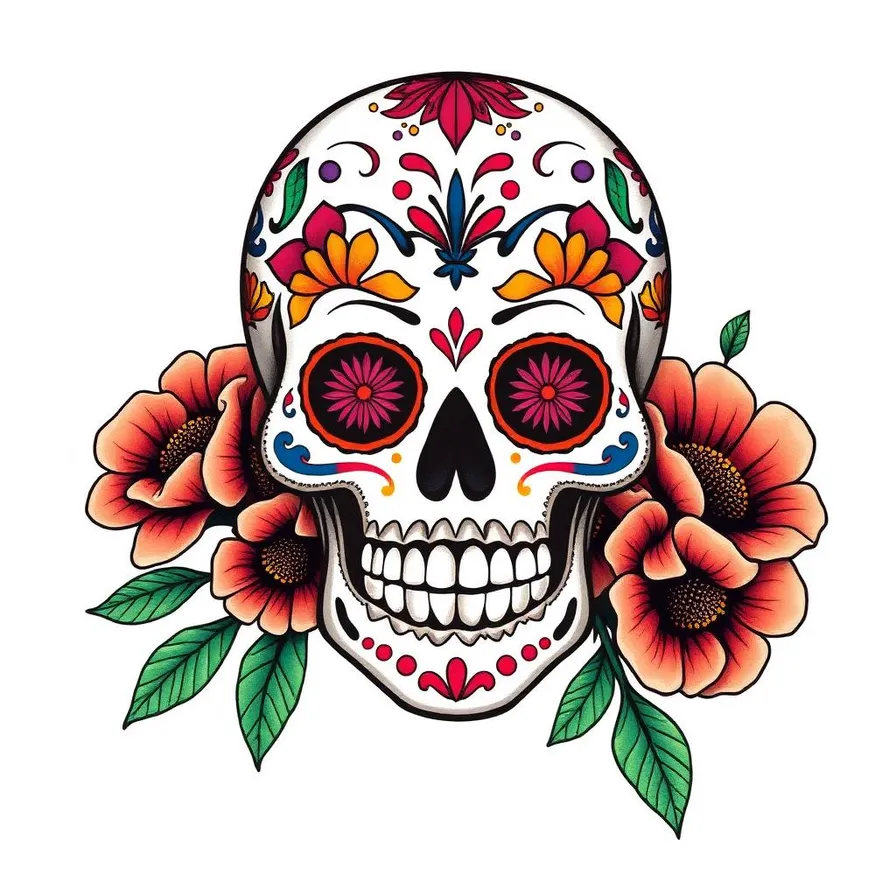
- Sugar Skull (Calavera)
- The decorated Day of the Dead skull. Bright colors, floral patterns, names of loved ones. The most personally meaningful skull variation, almost always carrying memorial weight.
- Anatomical Skull
- A realistic, undecorated human skull rendered in detail. Memento mori in its purest form. Best in fine-line, blackwork, or realism styles.
- Skull and Roses
- Classic pairing. Beauty and mortality together; the rose's bloom against the skull's permanence creates the design's central tension.
- Skull and Snake
- Snake passing through the eye sockets or coiling around the cranium. Combines mortality symbolism with serpent symbolism (rebirth, transformation, hidden knowledge).
- Skull with Flames
- The biker classic. Flames around or emerging from the skull suggest passion, rebellion, transformation through fire.
- Skull and Crossbones (Jolly Roger)
- The pirate symbol. Adventure, defiance, freedom from social convention.
- Skull with Crown
- Mortality crowned or death as the great equalizer. Royalty becoming dust; death's universal authority over life.
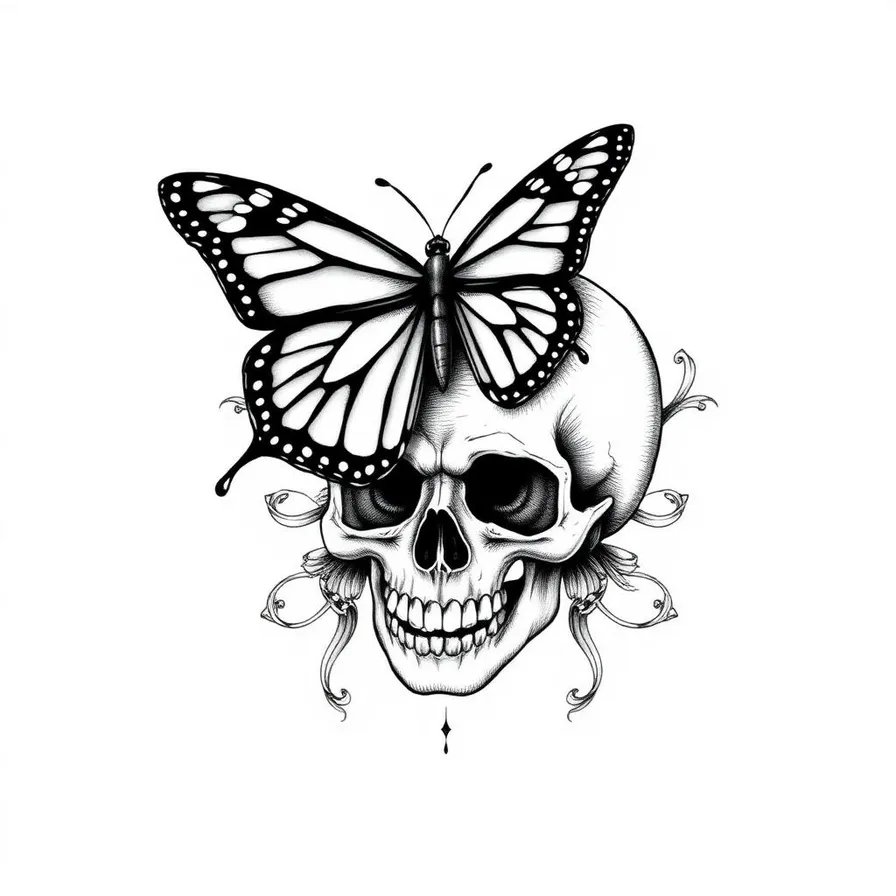
- Skull with Butterfly
- Transformation through death. The soul departing the body; rebirth into a new form. Increasingly popular memorial composition.
Best Tattoo Styles for Skulls
Skulls work in nearly every tattoo style, and different styles emphasize completely different aspects of skull symbolism.
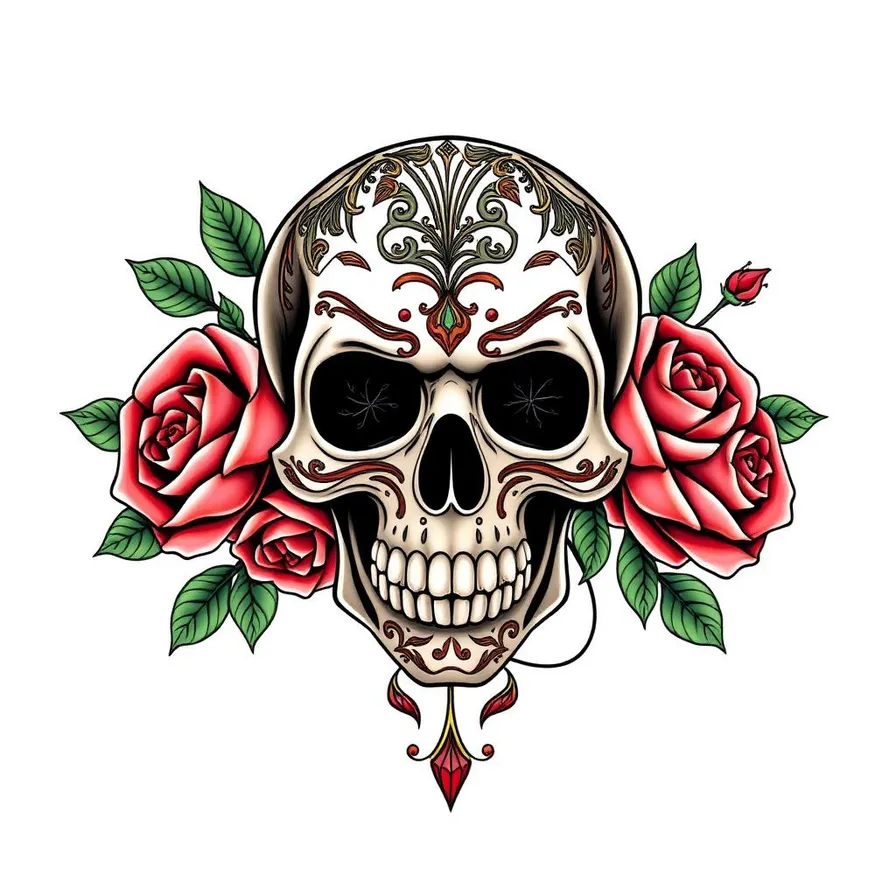
- Realism
- For anatomical detail and photographic skull rendering. Captures the contemplative memento mori weight. Best for solo skull pieces or skulls combined with realistic florals or animals.
- Blackwork
- Bold graphic skulls with solid black fills. Maximum visual impact and excellent longevity. Suits ornamental skull designs and rebellion-themed pieces.
- Chicano
- Black-and-grey skull work with fine-line detail and grey wash shading. Particularly suited to sugar skulls, religious skull imagery, and memorial portraiture.
- Neo-Traditional
- Ornamental skulls with rich color, decorative borders, and dimensional shading. Best for skull-and-rose, skull-with-flowers, or decorative memorial pieces.
Best Placements for Skull Tattoos
Skulls work at almost any size and most placements. The right choice depends on the design's complexity and intended visibility.
- Forearm
- The most common skull placement. Suits everything from small fine-line skulls to detailed Chicano work. Highly visible, easy to conceal under sleeves.
- Upper Arm and Half-Sleeve
- Classic skull canvas. The arm gives room for narrative compositions: skull with snake winding around, skull with roses, skull with religious imagery. Easy professional concealment.
- Hand and Knuckles
- The boldest placement. Tiny skulls on the knuckles, larger skulls on the back of the hand — heavy biker and rebellion symbolism. Highly visible, harder to conceal in professional contexts.
- Chest and Sternum
- Symmetrical placement perfect for centered skull compositions. Larger pieces work well here; particularly suited to ornamental skulls with decorative framing.
Who Should Choose a Skull Tattoo?
Skull tattoos suit people thinking seriously about mortality, memory, ancestors, or rebellion. They work for memorial pieces (sugar skulls, named skulls), philosophical statements (memento mori), counterculture identification (biker, punk, gothic), and spiritual practice (Buddhist meditation imagery). The skull's adaptability across cultures and styles means there's a skull design for almost any sensibility — the question is which tradition speaks to your story. If you want symbolism with similar weight but different mood, explore wolf tattoo ideas or dragon tattoo ideas. If you want softer subject matter, consider rose tattoo ideas or butterfly tattoo ideas.
Frequently Asked Questions
No time to design?
Let AI create your tattoo in seconds.
Ready to Create Your Own Skull Tattoo Tattoo?
Generate a custom AI tattoo design in seconds — no signup needed to preview.
Related Tattoo Ideas
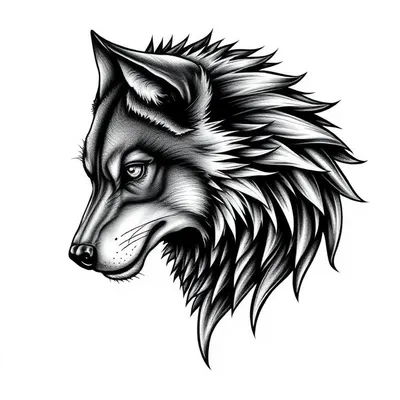
Wolf Tattoo Ideas
Bold, symbolic wolf tattoo designs representing loyalty, strength, and independence.
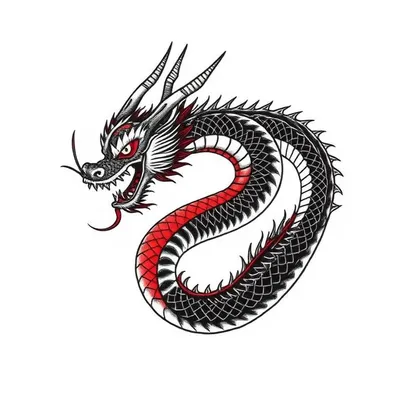
Dragon Tattoo Ideas
Powerful dragon tattoo designs symbolizing wisdom, strength, and transformation.
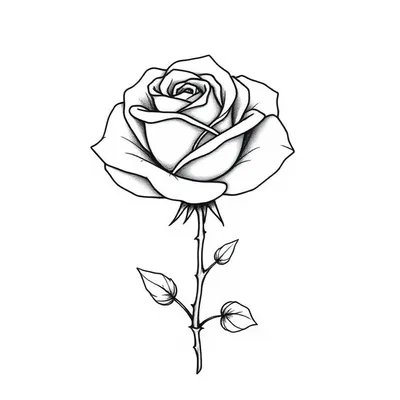
Rose Tattoo Ideas
Timeless rose tattoo designs representing love, beauty, and the balance between pleasure and pain.