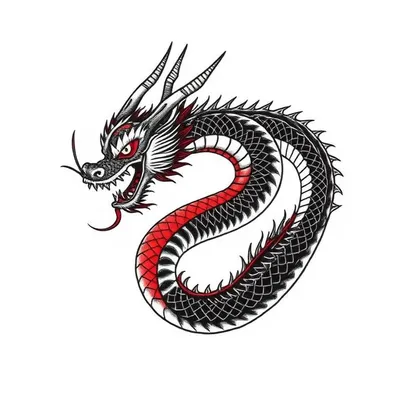
Snakes are one of the most symbolically rich tattoo subjects, carrying meaning that varies dramatically across cultures. In many traditions, the snake represents rebirth and renewal due to its shedding of skin. In Greek mythology, snakes symbolize healing (the rod of Asclepius). In Japanese tattoo art, snakes (Hebi) are protective symbols associated with good luck and wisdom. In Western culture, snakes can represent temptation, danger, or forbidden knowledge.
Traditional snake tattoos use bold outlines and classic shading, often coiled around daggers, skulls, or roses. Japanese snake tattoos feature flowing, serpentine bodies winding through waves, peonies, or across rocks, using rich colors and traditional Irezumi techniques. Blackwork snakes use heavy black ink and negative space for dramatic, graphic designs that follow the body's natural contours beautifully.
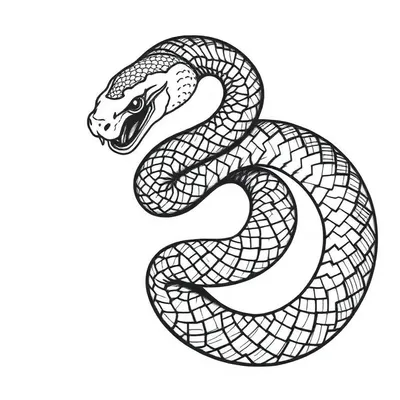
Realistic snake tattoos capture scales, coils, and the hypnotic quality of a snake's gaze with photographic detail. Minimalist snake designs use single continuous lines or simple outlines for elegant, understated pieces. Geometric snakes incorporate angular patterns within the serpentine form. The Ouroboros — a snake eating its own tail — is a powerful symbol of infinity and the cyclical nature of existence.
Snakes are uniquely suited for wrapping placements. They look incredible coiled around the forearm, winding up the upper arm, or spiraling around the thigh. Spine-aligned snakes create dramatic back pieces. Sternum snakes follow the body's center line elegantly. Small coiled snakes work on the wrist, ankle, or finger.
Snakes pair naturally with flowers (especially roses and peonies), skulls, moons, daggers, and other animals. A snake and eagle combination represents the battle between earthly and heavenly forces. Snake and flower compositions balance danger with beauty.