AI Traditional Tattoo Generator
Bold outlines, vivid colors, and iconic imagery. American traditional tattoos feature classic motifs like anchors, roses, and eagles.
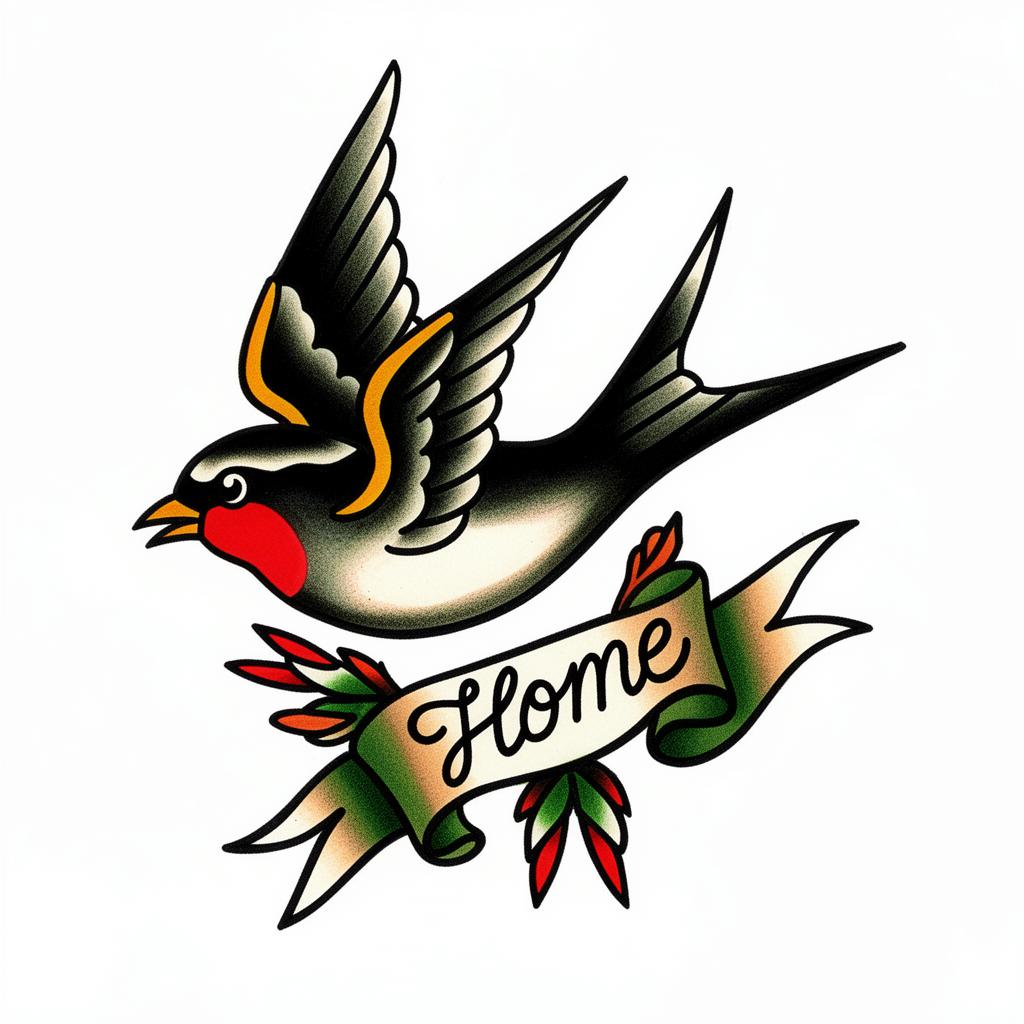
American Traditional (or Old School) tattooing is the foundation of Western tattoo culture, pioneered by legends like Sailor Jerry and Bert Grimm. Defined by bold black outlines, a limited but vivid color palette (red, green, yellow, blue), and iconic flash imagery. Common motifs include anchors, swallows, pin-up girls, daggers, roses, skulls, and nautical themes. These designs are built to last — the bold lines and solid color fills age exceptionally well. Spin up classic flash with our AI tattoo design generator to test ideas before committing.
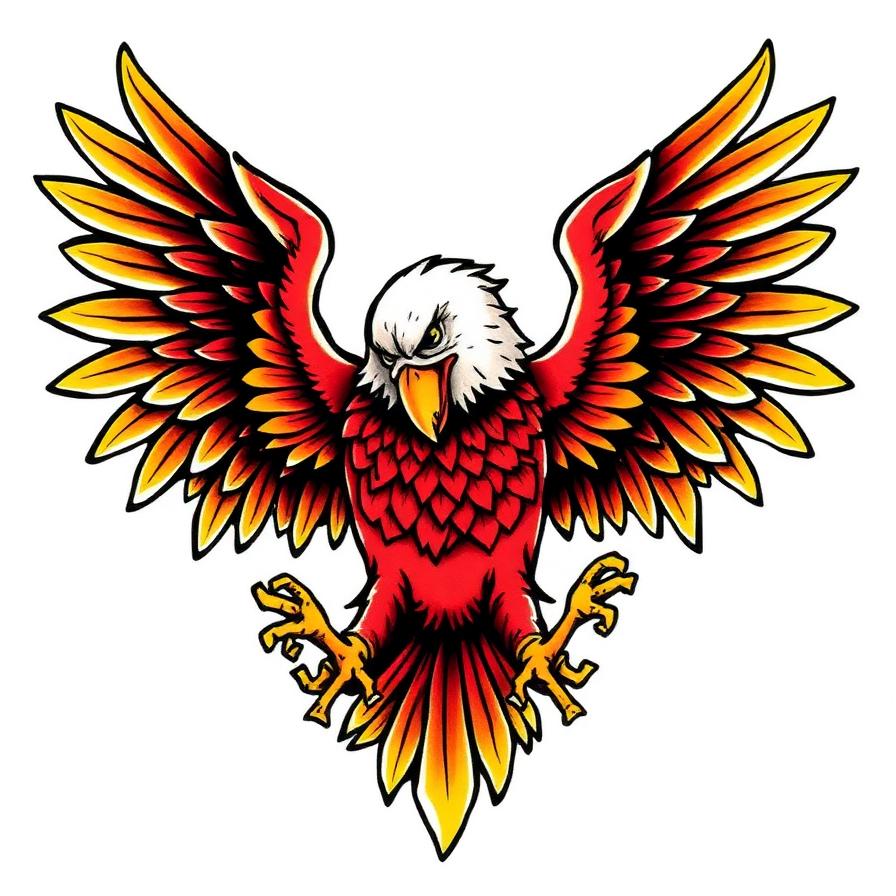
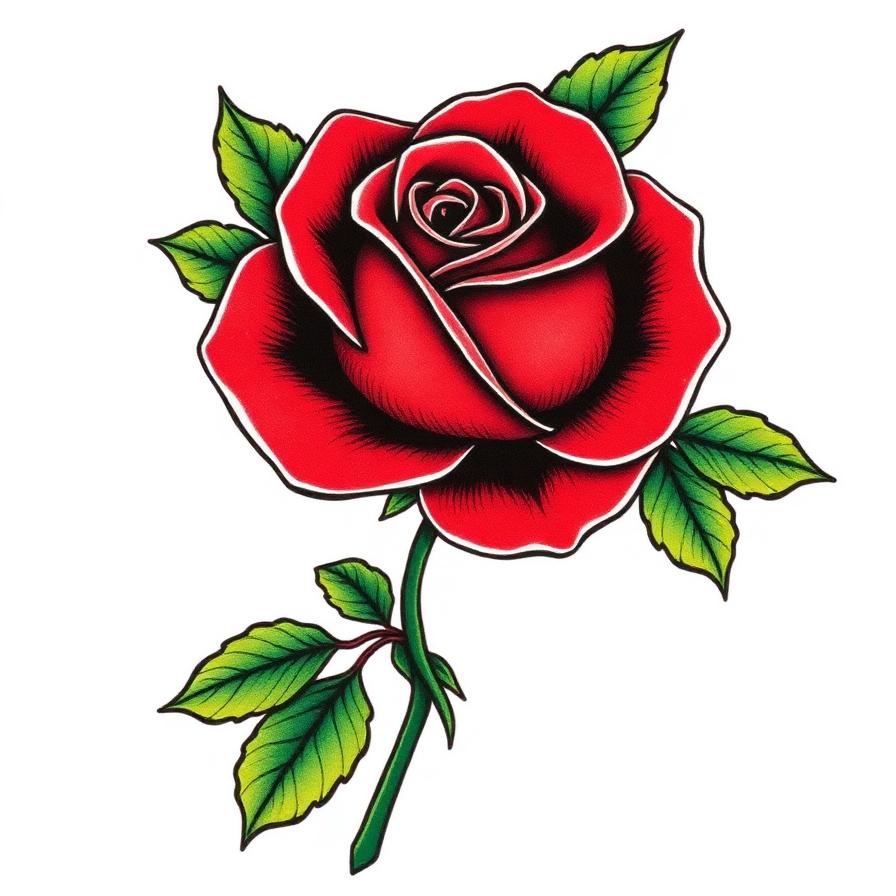
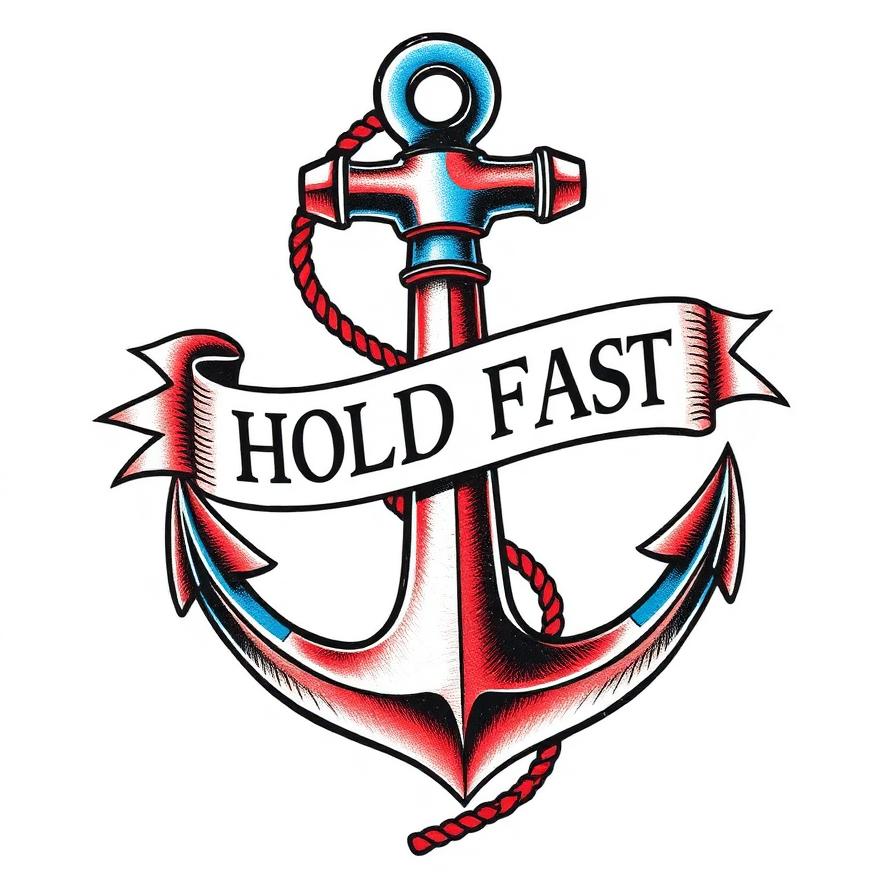
Traditional Tattoo Examples

History and Origin of Traditional Tattoos
American Traditional tattooing was forged in the port towns of the early 20th century, where sailors, soldiers, and dockworkers crossed paths with tattooers operating out of small electric-tattoo shops. The style crystallized between the 1900s and 1950s under pioneers like Norman 'Sailor Jerry' Collins in Honolulu, Bert Grimm in Long Beach, and Cap Coleman in Norfolk. They standardized a visual language built for legibility from across the room and built to age on working bodies.
Sailor Jerry, in particular, refined the palette by importing purple pigment from Asia, sharpening line work with custom-built needle bars, and trading flash sheets with Japanese masters like Horihide. The trade routes that brought tattooed sailors home from the Pacific seeded the imagery — eagles, snakes, daggers, banners, anchors, pin-ups — that still defines American Traditional today. By the 1970s and 80s the style risked being seen as outdated, but the 'tradi-revival' led by artists like Ed Hardy and later Grime, Steve Boltz, and Valerie Vargas turned it into one of the most respected and copied styles on the planet.
Popular Subjects and Motifs
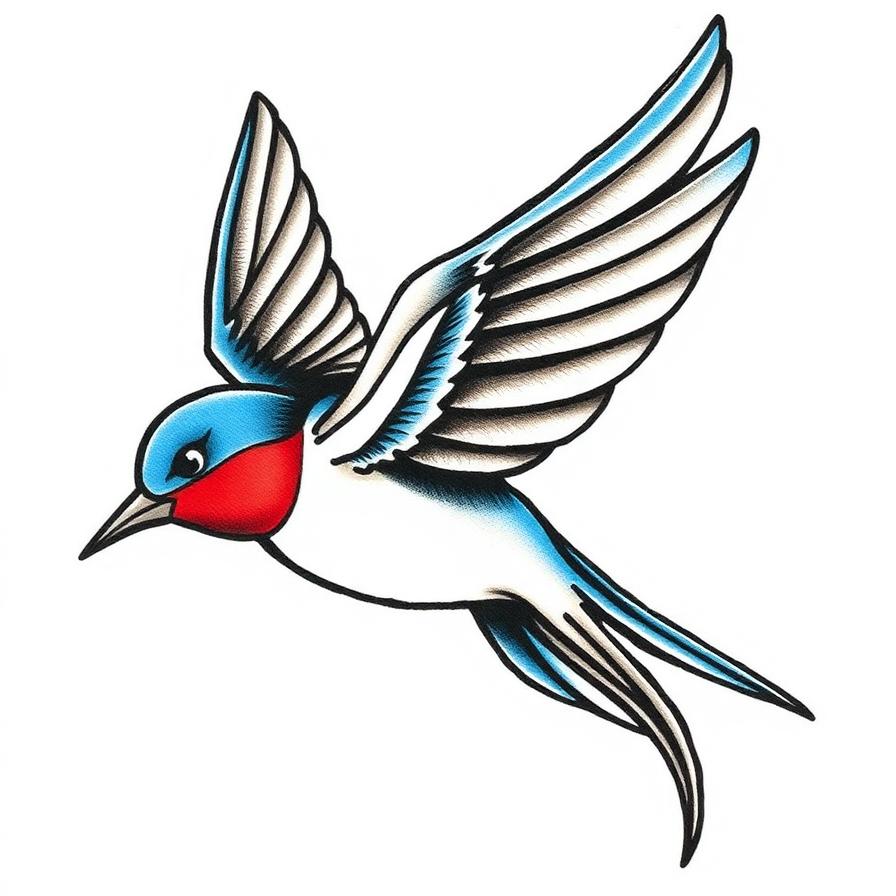
Traditional flash is built on a tight catalog of repeating motifs, each carrying decades of meaning. Anchors and ships represent stability and safe return. Swallows historically marked sailors who had logged 5,000 nautical miles — and have since become a general symbol of loyalty, home, and resilience. Roses convey love or memorial, daggers stand for sacrifice and protection, and snakes coil through banners as reminders of temptation, rebirth, and danger.
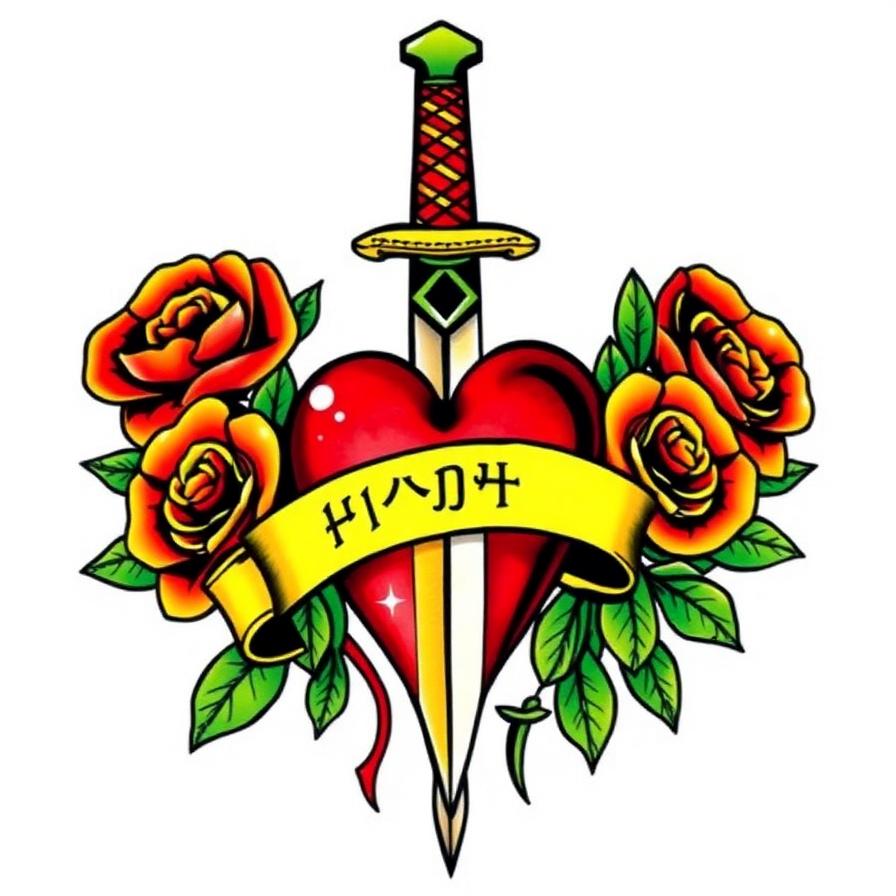
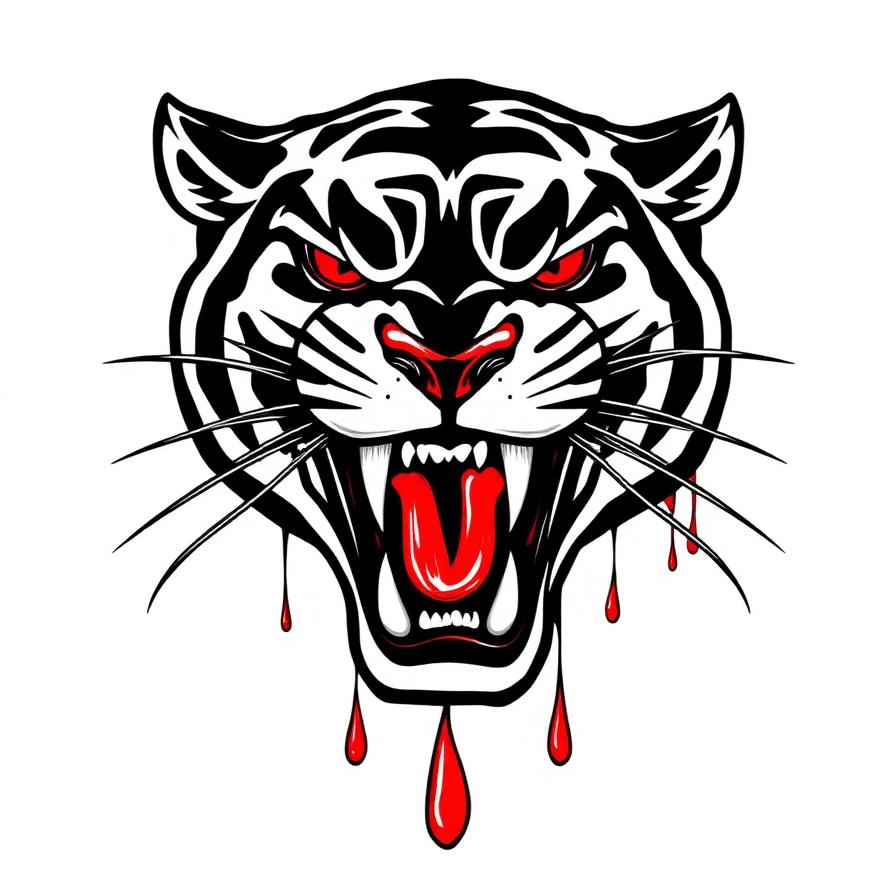
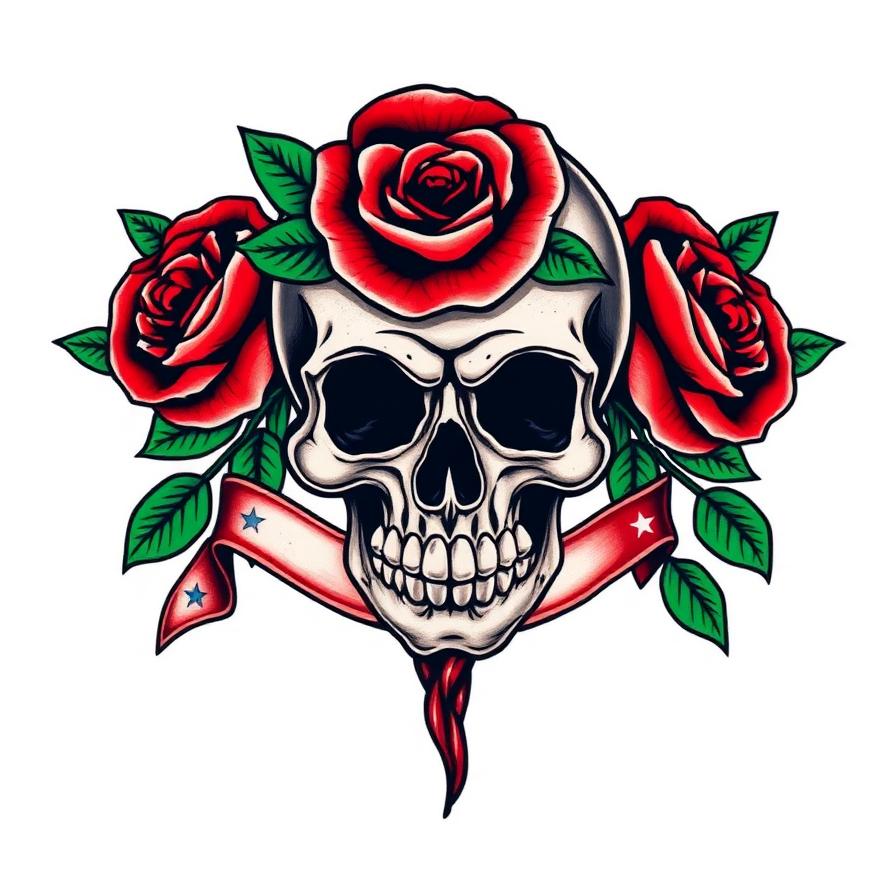
Other staples include the pin-up (often referenced as a sweetheart back home), the panther crawling down a forearm, skulls with banners, hearts wrapped in scrolls, and patriotic eagles spread across the chest. Banners reading 'Mom,' 'Hold Fast,' 'Death Before Dishonor,' or a loved one's name are part of the vocabulary. Because the imagery is so codified, modern collectors often build entire sleeves out of these classic icons rather than chasing one-off custom pieces.
Famous Traditional Tattoo Artists
Norman 'Sailor Jerry' Collins is the patron saint of the style; his Honolulu shop and surviving flash sheets remain the gold standard. Bert Grimm's Long Beach Pike shop tattooed generations of sailors and soldiers passing through the West Coast. Ed Hardy bridged American Traditional and Japanese tattooing, training under Sailor Jerry and later under Horihide in Japan, and helped legitimize tattoo as fine art.
Today the lineage is carried by artists like Steve Boltz (Smith Street Tattoo, Brooklyn), Valerie Vargas (Frith Street, London), Tim Hendricks, Oliver Peck, Grez, and Brad Stevens — each known for clean line work, classic palettes, and respect for the canon. Many of them publish flash books and apprentice the next generation, which is why Traditional designs from a shop in Tokyo, Berlin, or São Paulo all share an unmistakable family resemblance.
Best Placements for Traditional Tattoos
Because Traditional designs rely on bold outlines and solid color saturation, they shine on flat, fleshy areas where the line work can stay crisp for decades. Classic placements include the upper arm (the 'sleeve' was effectively invented around Traditional flash), the chest, the upper back, and the thighs. A panther or dagger running down the forearm is a textbook example.
Smaller motifs — swallows, hearts, horseshoes, anchors — are a great fit for the inner forearm, behind the calf, or the side of the neck. Avoid placing intricate Traditional pieces on high-friction or high-stretch areas like the inner palm, fingers, or feet, where the bold lines can blur faster. When planning a sleeve, leave breathing room between motifs and let solid black or simple color fields connect them, just like the original flash sheets did.
Color Usage and Ink Techniques
Traditional tattoos use a deliberately small palette — black, red, yellow, green, and blue — with white highlights to add pop. The constraint is part of the appeal: you can read a Traditional eagle from across the bar even after twenty years of sun and shrinkage. Modern artists may add a touch of purple, magenta, or olive, but the discipline of a tight palette is sacred.
Technique-wise, the style is built on three pillars: thick, even black outlines (often pulled with a 7- or 9-round liner), packed solid color with no gaps, and minimal shading — usually a single mid-tone of black 'smoke' or a soft color shadow. There are no smooth photographic gradients here. The black is the skeleton; the color is the flesh; the white is the spark. Done correctly, a Traditional tattoo looks just as good in a phone snapshot as it does framed on the shop wall.
Longevity and Aging Considerations
Traditional tattoos are arguably the longest-lasting style ever developed, and that's not an accident — they were designed by tattooers watching their own work age on dock workers and sailors. The bold black outline acts as a permanent boundary that prevents the color underneath from blurring outward, and the saturated color blocks resist the patchiness that plagues subtle pastel work.
Even so, plan for the long game. Use SPF 30+ daily on the tattooed area, moisturize regularly, and budget a touch-up roughly every 10-15 years to refresh black and reds (yellows fade fastest). A well-cared-for Traditional piece from the 1970s can still read perfectly today — that's the whole point of the style. If longevity is your priority, ask your artist for slightly thicker outlines and avoid trendy micro-detail that won't survive 30 years on skin.
Traditional Tattoo Designs — Community Gallery
Traditional Tattoo FAQ
Related Tattoo Styles
Neo-Traditional Tattoos
A modern evolution of traditional tattoos with richer color palettes, more complex compositions, and detailed shading techniques.
Explore Neo-TraditionalBlackwork Tattoos
Solid black ink creating bold, graphic designs. From geometric patterns to illustrative work, blackwork tattoos are striking and timeless.
Explore BlackworkJapanese Tattoos
Rich storytelling through koi fish, dragons, cherry blossoms, and waves. Japanese Irezumi features bold colors and flowing compositions.
Explore JapaneseChicano Tattoos
Bold black and grey artwork rooted in Mexican-American culture. Chicano tattoos feature portraits, religious imagery, script lettering, and cultural symbolism.
Explore ChicanoCreate Custom Traditional Tattoo Designs with AI
Use our free AI Tattoo Generator to create unique traditional designs in seconds. No artistic skills needed.