AI Chicano Tattoo Generator
Bold black and grey artwork rooted in Mexican-American culture. Chicano tattoos feature portraits, religious imagery, script lettering, and cultural symbolism.
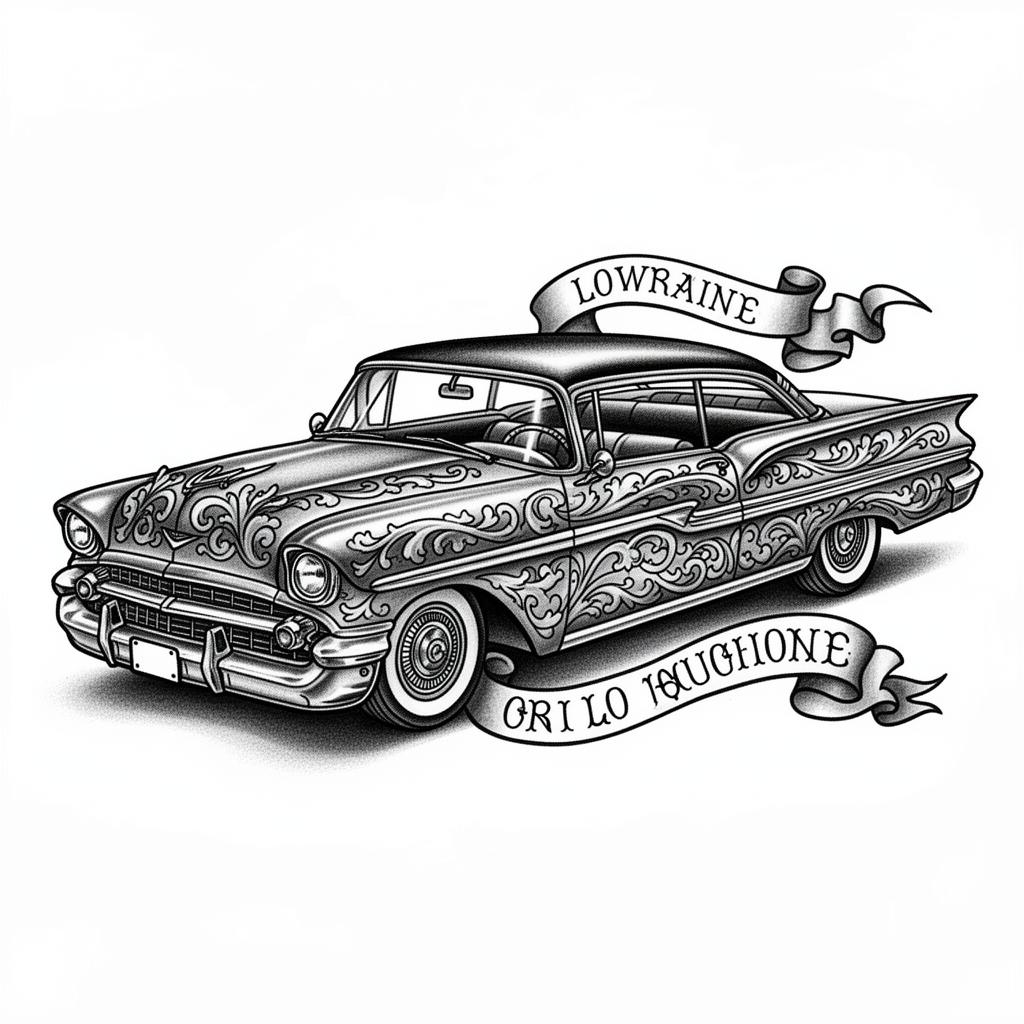
Chicano tattooing is one of the most culturally specific and visually distinctive styles in body art history. Born in the Mexican-American neighborhoods of Los Angeles in the 1940s and 50s — initially in prisons, where ink was made from burnt rubber and needles from sharpened guitar strings — Chicano tattooing evolved from prison-yard necessity into one of the most respected styles in modern tattooing. What began as crude prison work crystallized over decades into the sophisticated black-and-grey portraiture and cultural imagery that defines the style today.
The visual language is unmistakable. Chicano work is almost exclusively black-and-grey, using diluted black ink (grey wash) to produce photorealistic gradients and shading. The subjects draw from Mexican-American Catholic tradition (Sacred Heart, La Virgen de Guadalupe, Santa Muerte), urban culture (lowriders, classic cars, neighborhood loyalty), historical pride (Aztec warriors, indigenous imagery, La Raza symbolism), and personal storytelling (portraits of family members, hands clasped in prayer, smiling-and-crying theatre masks representing 'play now, pay later'). Every piece carries biographical or cultural weight — Chicano tattooing isn't decoration, it's testimony.
The style's broader influence on tattooing is enormous. Modern black-and-grey realism, fine line single-needle work, and contemporary portraiture all trace direct lineage back to Chicano pioneers like Jack Rudy, Mark Mahoney, Freddy Negrete, and Charlie Cartwright at the Goodtime Charlie's shop in East LA. They invented techniques and trained generations who later spread Chicano-influenced work globally. Today, Chicano tattooing exists as both a culturally specific tradition honored by Mexican-American artists and a stylistic vocabulary that has reshaped tattoo aesthetics worldwide. Draft Chicano-inspired pieces in our free AI tattoo generator before bringing them to your artist.
What Defines Chicano Tattoos
Black-and-Grey Mastery
Chicano tattooing is built on diluted black ink — 'grey wash' — applied in carefully controlled gradients. The technique was invented in prisons before professional grey ink existed and has since become the foundation of black-and-grey work globally.
Single-Needle Heritage
Chicano artists pioneered single-needle technique for ultra-fine detail and smooth shading. This technical heritage is the direct ancestor of modern fine line tattooing and contemporary realism portrait work.
Cultural Specificity
The visual vocabulary draws from Mexican-American Catholic tradition, urban Chicano culture, indigenous Mexican history, and personal biographical imagery. Every motif carries cultural weight; the style isn't decoration.
Narrative Tattooing
Chicano pieces tell stories — about family, faith, heritage, neighborhood, and personal history. A Chicano sleeve typically reads as a biographical document, not a collection of decorative imagery.
Popular Chicano Imagery
Chicano tattooing draws from a focused vocabulary of culturally and personally meaningful imagery. Each motif carries deep symbolic weight in Mexican-American tradition.
- La Virgen de Guadalupe
- The most sacred image in Mexican Catholic tradition. The Virgin Mary's apparition to Juan Diego in 1531 — central to Mexican identity, faith, and Chicano cultural pride.
- Sacred Heart
- Sagrado Corazón — the Catholic image of Christ's heart, often depicted with thorns, flames, or a crown. A central Chicano religious motif representing faith, sacrifice, and devotion.
- Santa Muerte
- The folk saint of death — venerated in Mexican-American spiritual practice, particularly in working-class communities. A complex, powerful figure in Chicano iconography.
- Praying Hands
- Hands clasped in prayer, often combined with rosaries, religious imagery, or biographical elements. A signature Chicano motif representing faith and reverence.
- Lowriders and Classic Cars
- 1950s-70s Chevrolets, Impalas, and lowriders rendered in detailed black-and-grey realism. Symbols of Chicano car culture, neighborhood identity, and cultural pride.
- Aztec Warriors and Indigenous Imagery
- Aztec warrior princes, Mayan motifs, and pre-Columbian indigenous imagery — connecting modern Chicano identity to ancestral Mexican heritage.
- Smile Now, Cry Later Masks
- Theatre masks (one smiling, one crying) representing 'enjoy life now, pay the cost later' — a defining Chicano philosophical motif. Often combined with phrases or names.
- Portraits of Family and Loved Ones
- Photorealistic portraits of family members, mentors, or fallen friends — central to Chicano tattooing's biographical tradition. Often combined with significant dates or memorial imagery.
Best Placements for Chicano Tattoos
Chicano tattoos benefit from large canvases where the photorealistic detail and narrative scope have room to breathe. The biographical depth of Chicano work usually demands at least medium-sized placements.
- Upper Back and Shoulders
- Classic Chicano canvas. The broad surface allows for ambitious religious scenes, full La Virgen portraits, family memorial pieces, and detailed narrative compositions.
- Chest Panel
- Symmetrical placement perfect for centered religious imagery — Sacred Heart compositions, La Virgen with surrounding details, praying hands with rosaries spanning the chest.
- Forearm and Sleeve
- Excellent for narrative Chicano work — biographical sleeves combining family portraits, religious imagery, neighborhood references, and personal storytelling. The natural canvas for full Chicano sleeves.
- Stomach and Ribs
- Traditional Chicano placement for ambitious religious work — Sacred Heart compositions across the chest, Christ figures spanning the torso. Painful but visually commanding.
Who Should Choose a Chicano Tattoo?
Chicano tattooing is most authentic for people connected to Mexican-American culture — by heritage, family tradition, faith, or community ties. The style's imagery carries specific cultural and religious weight, and serious Chicano work usually represents real biographical or spiritual significance to the wearer. People without Chicano cultural connection can still appreciate and collect Chicano-influenced black-and-grey work, but should choose subjects respectfully and work with artists who honor the tradition. If you want black-and-grey work without the cultural specificity, explore realism or fine-line styles.
Chicano Tattoo Designs — Community Gallery
Chicano Tattoo FAQ
Related Tattoo Styles
Realism Tattoos
Photorealistic tattoos that capture lifelike detail. From portraits to nature scenes, realism tattoos showcase incredible artistic skill.
Explore RealismFine Line Tattoos
Delicate, precise linework creating intricate designs. Fine line tattoos use single-needle technique for ultra-thin, detailed artwork.
Explore Fine LineTraditional Tattoos
Bold outlines, vivid colors, and iconic imagery. American traditional tattoos feature classic motifs like anchors, roses, and eagles.
Explore TraditionalBlackwork Tattoos
Solid black ink creating bold, graphic designs. From geometric patterns to illustrative work, blackwork tattoos are striking and timeless.
Explore BlackworkCreate Custom Chicano Tattoo Designs with AI
Use our free AI Tattoo Generator to create unique chicano designs in seconds. No artistic skills needed.