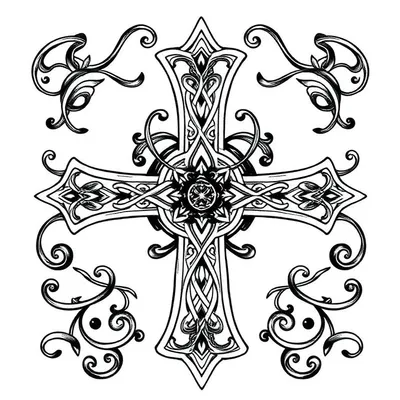
Cross tattoos are among the most enduring and meaningful tattoo subjects, representing faith, spirituality, sacrifice, redemption, and the intersection of the divine and earthly. While most commonly associated with Christianity, the cross symbol predates organized religion and appears across many cultures as a symbol of the four elements, four directions, and the intersection of the physical and spiritual worlds.
Celtic crosses feature characteristic interlocking knotwork and a circle around the intersection — representing eternity, the sun, or the circle of life. Latin crosses are the traditional Christian cross, simple yet powerful. Ornamental crosses incorporate intricate patterns and decorative elements. Gothic crosses feature dark, architectural elements inspired by medieval churches. Tribal crosses use bold, flowing lines.
Minimalist crosses are incredibly popular — tiny, clean lines that work as subtle, personal symbols of faith. Fine line crosses use delicate strokes for elegant designs. Blackwork crosses use bold contrast and negative space. Realistic crosses capture wooden texture, stone carving, or metalwork details. Rosary bead designs incorporate crosses into flowing, beaded patterns.
For placement, wrist and forearm crosses are popular and visible. Behind-the-ear crosses are subtle and personal. Chest crosses create centered, powerful designs. Back crosses allow for larger, more detailed compositions. Finger crosses are minimalist and trendy. Spine-aligned crosses create dramatic centerpieces.
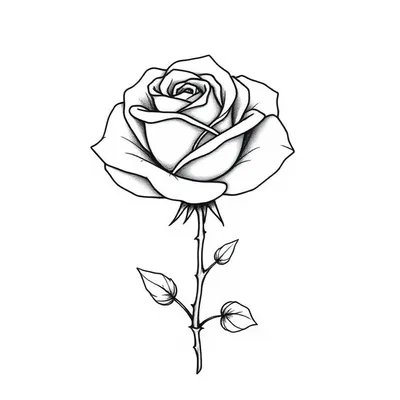
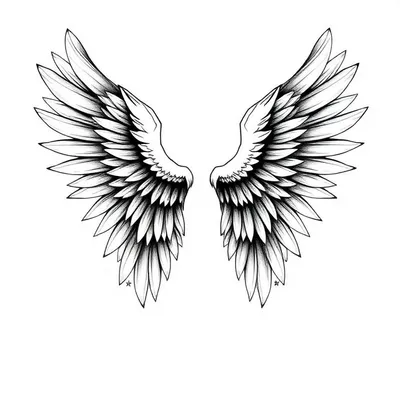
Crosses pair naturally with roses, praying hands, doves, angel wings, crowns of thorns, light rays, and meaningful scripture references. Memorial crosses often include names, dates, and "Rest in Peace" elements to honor lost loved ones.