AI Tribal Tattoo Generator
Ancient patterns rooted in Polynesian, Maori, and indigenous cultures. Bold black patterns that follow the body's natural contours.
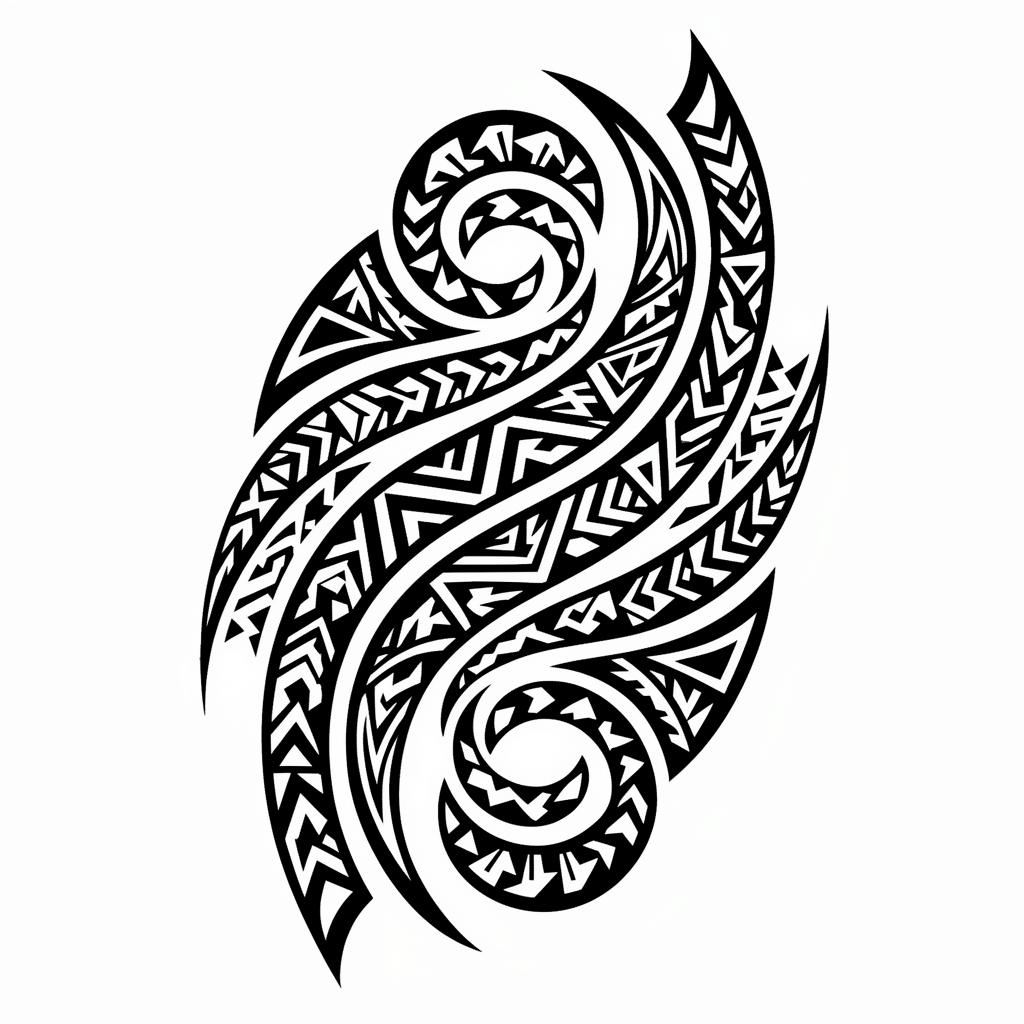
Tribal tattooing is one of the oldest continuous tattoo traditions in human history, predating modern tattoo flash by thousands of years. Its roots trace through Polynesian cultures (Samoan, Tongan, Maori, Hawaiian, Marquesan), Borneo and Iban traditions, ancient Celtic and Pictish peoples, and indigenous practices across Africa, the Philippines, and the Pacific Islands. What modern tattoo culture calls "tribal" is actually a vast family of distinct cultural practices, each with its own visual vocabulary, ceremonial significance, and rules about who could wear what. The bold black geometric patterns we associate with the style today emerged from these traditions and spread globally during the 1980s-90s tribal revival.
What unites these distinct traditions visually is their use of bold, solid black ink, repeating geometric and curvilinear patterns, and designs that flow with the contours of the body. Polynesian tribal especially emphasizes interlocking motifs that tell genealogical stories — turtles for navigation and longevity, sharks for protection, ocean wave patterns for ancestry. Maori ta moko uses spiral patterns (koru) that represent the unfurling fern frond and new life. Borneo tribal incorporates plant and animal motifs reflecting the rainforest. Each tradition carries deep symbolic meaning that goes far beyond decoration.
The modern tribal tattoo style draws inspiration from these ancestral traditions while often functioning as standalone graphic art. A respectful approach matters: authentic Polynesian or Maori designs traditionally encode personal ancestry, status, and spiritual protection, and getting culturally specific imagery requires knowledge and often dialog with cultural practitioners. Generic "neo-tribal" designs that draw inspiration from these traditions without claiming specific cultural meaning are widely accepted, but the vocabulary itself remains tied to its origins. Today tribal tattoos rank among the longest-lasting tattoo styles thanks to their bold ink saturation, and they suit collectors drawn to graphic boldness, cultural heritage, and timeless geometric design. Use the AI tattoo design generator to draft modern tribal-inspired concepts in moments.
What Defines Tribal Tattoos
Bold Solid Black
Tribal tattoos rely on solid black ink with no shading or color. The visual impact comes from the contrast between dense black areas and bare skin, creating graphic high-contrast designs that read clearly from across a room.
Geometric and Curvilinear Patterns
Repeating motifs — triangular shark teeth, spiraling koru, interlocking waves, geometric mandalas — form the visual vocabulary. Each pattern carries cultural meaning in its tradition of origin, with certain motifs reserved for specific ranks or family lineages.
Body-Flowing Composition
Authentic tribal designs are composed to follow the natural contours of the body — wrapping shoulders, flowing across chest panels, accentuating muscle structure. The design isn't placed on the body; it works with the body's anatomy as part of the composition.
Cultural Specificity
What looks like a unified style is actually distinct cultural traditions. Polynesian, Maori, Borneo, Celtic, and Pictish tribal each have their own rules, motifs, and meanings. Generic 'neo-tribal' is the contemporary umbrella that respectfully borrows from these without claiming specific cultural lineage.
Popular Tribal Tattoo Designs
Tribal designs span many cultural traditions, each with its own iconic motifs and compositional styles. Certain designs have become signatures of contemporary tribal tattooing.
- Polynesian Sleeve
- Full-arm composition combining Samoan, Tongan, or Marquesan motifs — shark teeth, ocean waves, sun rays, turtles. The most ambitious tribal tattoo format.
- Maori Spiral (Koru)
- The unfurling fern-frond spiral central to Maori art, representing new life, growth, and continuity. Often combined with other Maori motifs in ta moko-style designs.
- Samoan Pe'a Pattern
- Inspired by traditional Samoan male body suit tattoos, featuring dense geometric panels covering the thighs and lower torso. Heavy black ink saturation, intricate detail.
- Borneo Iban Designs
- Forest-inspired motifs from Borneo tribal traditions — flowers, vines, hornbill birds, dragon-dog (aso) figures, all rendered in bold black geometric form.
- Celtic Knotwork
- Interlocking eternal-loop patterns from Celtic tradition. Symbolizes eternity, the interconnection of life, and protective power. Ages exceptionally well thanks to bold linework.
- Pictish Symbols
- Pre-Christian Scottish tribal designs featuring stylized animals (boars, wolves, fish), geometric symbols, and abstract patterns. Less common but striking for Scottish heritage.
- Hawaiian Tribal
- Distinct from Samoan and Maori traditions, featuring its own motif vocabulary including honu (sea turtles), kapa cloth patterns, and protective imagery from Hawaiian mythology.
- Neo-Tribal Geometric
- Contemporary designs inspired by tribal aesthetics without claiming specific cultural lineage. Bold black geometric patterns with modern compositional sensibilities.
Best Placements for Tribal Tattoos
Tribal tattoos work best on placements that allow the design to flow with body contours and showcase the bold geometric patterns. Authentic tribal traditions specifically used certain placements to mark status, lineage, or spiritual protection.
- Shoulder and Upper Arm
- Classic tribal placement, particularly for Polynesian designs. The shoulder's curved surface lets motifs wrap naturally, and the upper arm provides space for elaborate pattern bands.
- Full Sleeve
- The pinnacle of tribal placement. Allows complete narrative compositions with multiple interlocking motifs telling genealogical or symbolic stories. Reserved for serious tribal commitments.
- Chest and Pectoral
- Symmetrical placement ideal for centered tribal compositions, mirrored designs, or chest-spanning pattern bands. Important placement in many Polynesian traditions.
- Calf and Thigh
- Excellent for vertical pattern bands, calf-wrapping designs in Samoan or Maori traditions, and large standalone tribal compositions on the thigh's broad canvas.
Who Should Choose a Tribal Tattoo?
Tribal tattoos suit people drawn to bold graphic aesthetics, cultural heritage, and timeless geometric design. They're ideal for those with genuine connection to a specific tribal tradition (Polynesian, Maori, Celtic, Pictish heritage) who want to honor that connection respectfully, or for collectors drawn to neo-tribal aesthetics without specific cultural claims. Tribal ages exceptionally well thanks to its bold black ink load — these designs hold their integrity for decades. If you want similar bold graphic impact with different visual vocabulary, explore blackwork. If you want imagery with cultural depth in a different style, consider japanese traditional irezumi work.
Tribal Tattoo Designs — Community Gallery
Tribal Tattoo FAQ
Related Tattoo Styles
Blackwork Tattoos
Solid black ink creating bold, graphic designs. From geometric patterns to illustrative work, blackwork tattoos are striking and timeless.
Explore BlackworkGeometric Tattoos
Mathematical precision meets artistic expression. Geometric tattoos use shapes, patterns, and sacred geometry for visually stunning designs.
Explore GeometricFine Line Tattoos
Delicate, precise linework creating intricate designs. Fine line tattoos use single-needle technique for ultra-thin, detailed artwork.
Explore Fine LineDotwork Tattoos
Thousands of individual dots creating intricate patterns and shading. Dotwork tattoos are meditative, precise, and visually mesmerizing.
Explore DotworkCreate Custom Tribal Tattoo Designs with AI
Use our free AI Tattoo Generator to create unique tribal designs in seconds. No artistic skills needed.