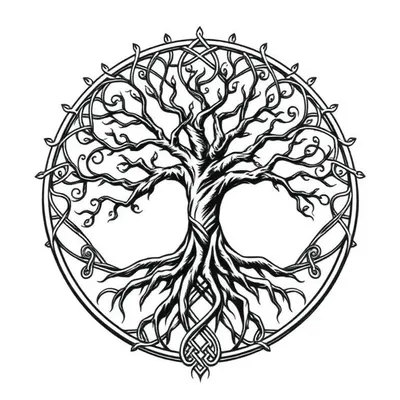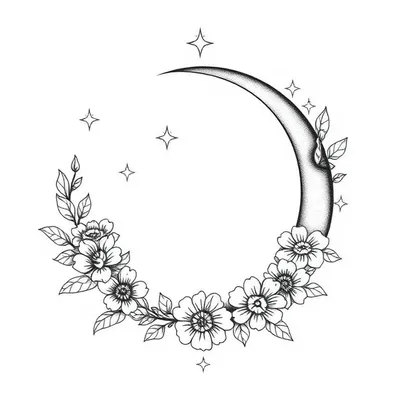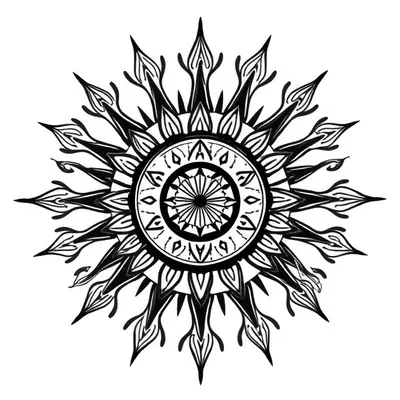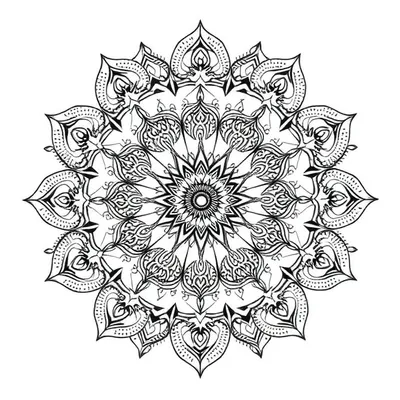
Mandala tattoos are mesmerizing circular designs that represent wholeness, harmony, unity, and the universe's infinite patterns. The word "mandala" comes from Sanskrit meaning "circle" — these designs radiate from a central point in increasingly complex, symmetrical patterns. In Buddhist and Hindu traditions, mandalas are spiritual tools for meditation and representing the cosmos.
Dotwork mandala tattoos are perhaps the most stunning variation, building every line and shade from thousands of tiny dots. The meditative process of creating (and wearing) a dotwork mandala mirrors the contemplative purpose of the original spiritual designs. Geometric mandalas incorporate clean lines, sacred geometry, and mathematical precision. Ornamental mandalas add flowing, lace-like decorative elements.
Blackwork mandalas use solid black ink with strategic negative space to create bold, graphic designs. Watercolor mandalas add splashes of color around or within the geometric framework. Minimalist mandalas simplify the complex patterns while maintaining the radiating, circular structure.
For placement, sternum mandalas are iconic — the circular design centered on the body's midline creates powerful symmetry. Thigh mandalas take advantage of the large, flat surface for detailed designs. Upper arm and shoulder cap mandalas wrap around the body's curves beautifully. Back mandalas can be expansive centerpieces. Forearm mandalas are highly visible and popular.
Mandalas pair beautifully with lotus flowers (spiritual awakening), geometric patterns extending outward, dotwork backgrounds, and other symmetrical elements. Half-mandala designs (where the mandala meets the skin's edge) create an effect of the design continuing beneath the surface.