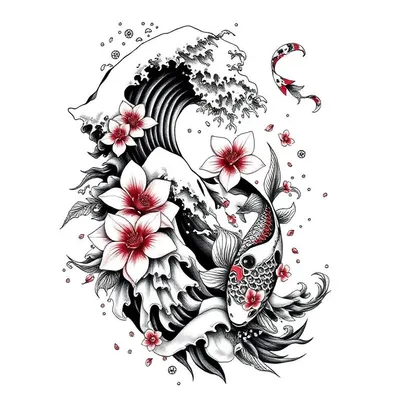
Sleeve tattoos are among the most impressive forms of body art, transforming the arm into a continuous canvas of interconnected imagery. A full sleeve runs from shoulder to wrist, while half sleeves typically cover shoulder to elbow or elbow to wrist. Quarter sleeves wrap the upper arm from shoulder to mid-bicep.
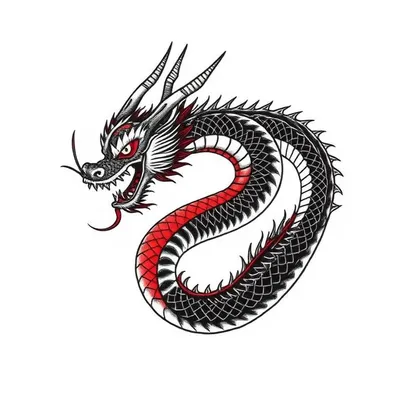
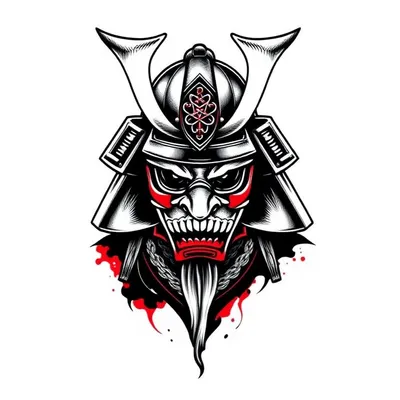
The key to a great sleeve is cohesive composition. The best sleeves aren't random collections of individual tattoos — they're planned compositions where elements flow together, connected by background fill (clouds, smoke, water, geometric patterns) and consistent style. Popular sleeve themes include: Japanese (koi, dragons, cherry blossoms), nature scenes (forest/mountain landscapes), biomechanical (mechanical elements beneath skin), and mixed realism (portrait-based compositions).
Planning a sleeve requires considering flow, negative space, focal points, and how designs wrap around the arm's cylindrical shape. The shoulder cap, inner bicep, elbow ditch, and inner wrist each present unique considerations for placement and pain. Many artists recommend starting with a clear vision and potentially getting the work done by a single artist for consistency.
Full sleeves typically require 20-40+ hours of work across multiple sessions, costing $3,000-10,000+ depending on the artist and complexity. Half sleeves are roughly half that commitment. Starting with a half sleeve and expanding later is a practical approach.
Color vs black-and-gray is a major decision for sleeves. Black-and-gray ages more predictably and has a classic look. Color sleeves are vibrant but may require touch-ups over time. Japanese sleeves traditionally use bold, saturated colors. Biomechanical sleeves typically use realistic gray tones.