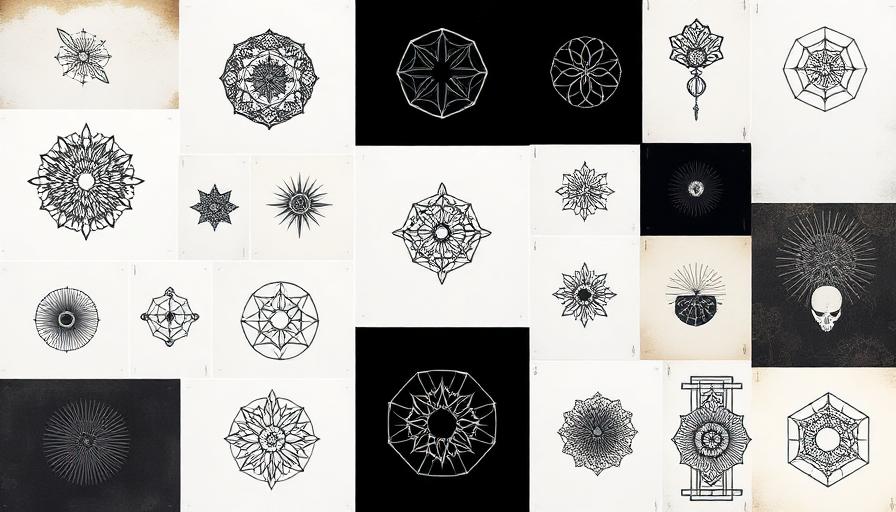
Why Style Is the Most Important Tattoo Decision
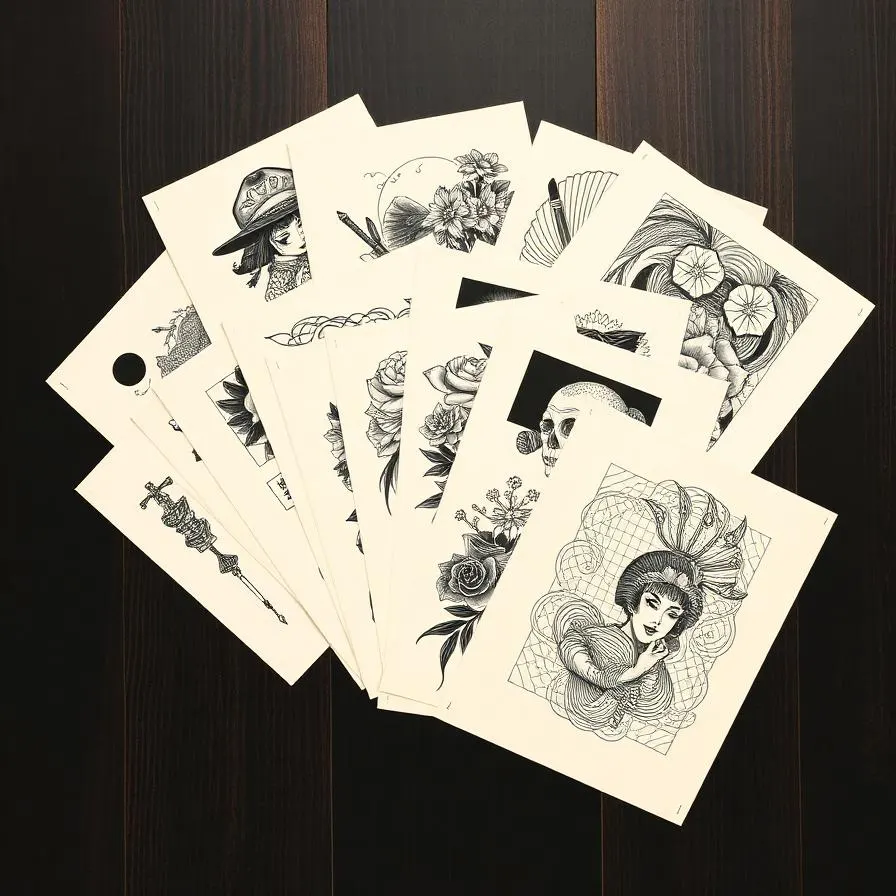
Most people obsess over the subject of their tattoo — should it be a wolf, a flower, a quote? — and underestimate the choice of style. But style is what determines whether your tattoo looks intentional or accidental, whether it ages gracefully or fuzzes out, whether it feels like art or like a sticker. The same subject in two different styles is, effectively, two different tattoos. A wolf in fine line is whisper-quiet; a wolf in traditional is a war cry. Both are beautiful. Choosing between them is the actual creative decision.
This guide breaks down the 10 styles you most need to know in 2025 — their history, defining traits, ideal subjects, what they cost, and how they hold up over time. By the end you should know exactly which style speaks to you and which artist to book.
How to Pick the Right Style for You
Before diving into individual styles, a quick framework. Ask yourself three questions. First, how loud do you want it? Some styles whisper (minimalist, fine line); others shout (traditional, neo-traditional). Second, how much detail do you want? Photo-realism packs in detail; minimalism strips it away. Third, how does it need to age? Bolder lines and simpler shapes hold up better over decades than tiny intricate details. Your answers narrow ten options down to two or three quickly. From there it is just preference.
If you want to dive deeper into any specific style after reading, every style below has a dedicated reference page with examples, history, and design ideas.
1. Minimalist — Quiet, Clean, Modern
Minimalist tattoos strip a design down to its absolute essential elements: clean lines, simple shapes, generous negative space. The style exploded in the 2010s thanks to Instagram and is now arguably the dominant first-tattoo style. Minimalism works beautifully for symbolic tattoos — a heart, a moon, a wave — where the meaning matters more than the visual complexity. It is quick to ink, affordable, and ages well precisely because there is so little detail to blur. The minimalist style page has hundreds of examples if you want to explore further.
2. Fine Line — Delicate Detail Within Restraint
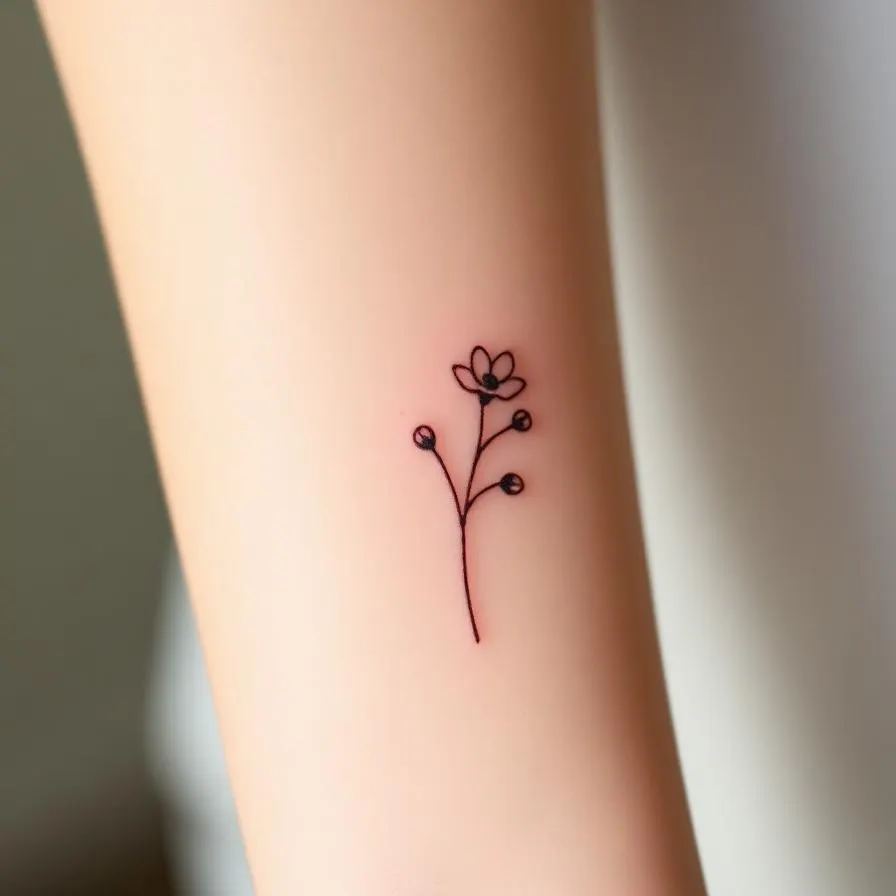
Fine line is minimalism's slightly more elaborate cousin. It uses single-needle or very small needle groupings to create extremely delicate linework that can carry more detail than minimalism without feeling heavy. Floral pieces, script, animals, and small portraits all thrive in fine line. The trade-off is longevity: very fine lines can blur faster than bolder work, especially in sun-exposed areas. Fine line is best applied by specialists — book carefully.
Best Subjects for Fine Line
Botanical illustrations, delicate animal sketches, hand-drawn script, constellations, and small architectural details all shine in fine line. The fine line style page goes deeper into design ideas and placement.
3. Traditional Japanese (Irezumi) — Centuries of Storytelling
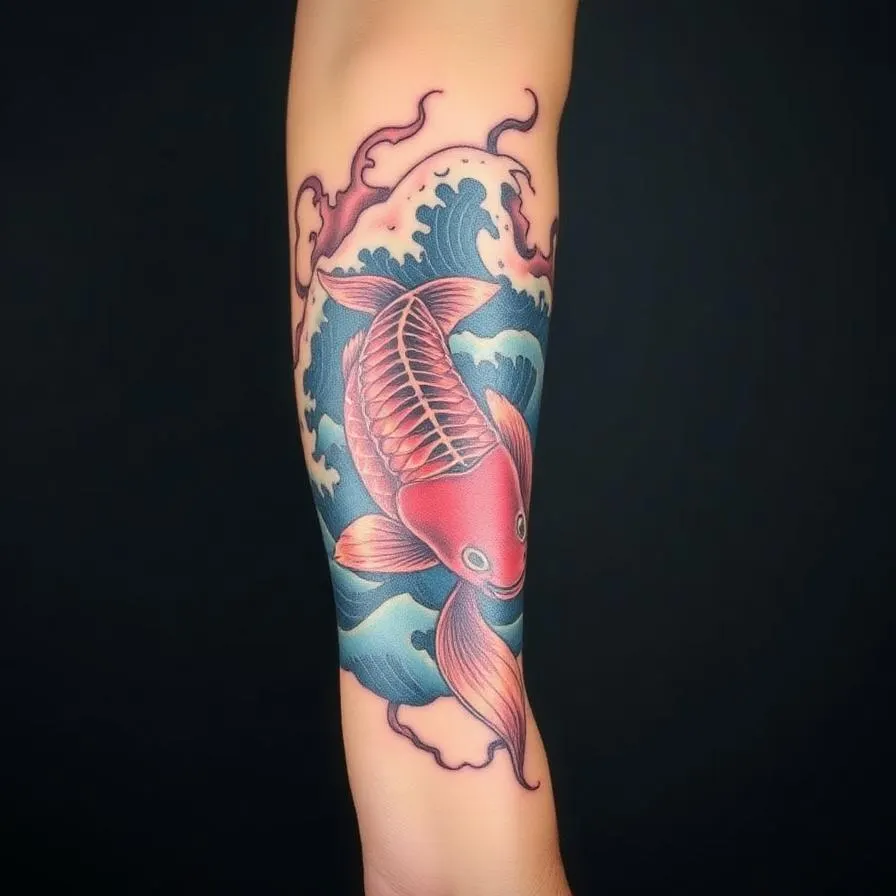
Irezumi is one of the oldest, most codified tattoo traditions in the world, with roots stretching back hundreds of years in Japan. It is defined by bold outlines, vibrant flat colors (often red, blue, black, and yellow), and a tight visual language of subjects: koi fish, dragons, tigers, hannya masks, cherry blossoms, waves, and clouds. Each subject carries traditional meaning — koi for perseverance, dragons for wisdom and protection — and the compositions are designed to flow across large areas of the body, often as full sleeves, back pieces, or body suits.
Irezumi requires a specialist; the visual language has rules and a generalist will produce something that misses the spirit. Expect significant time and budget for a serious piece. The Japanese style page covers traditional motifs and modern interpretations.
4. Geometric — Math Meets Mysticism
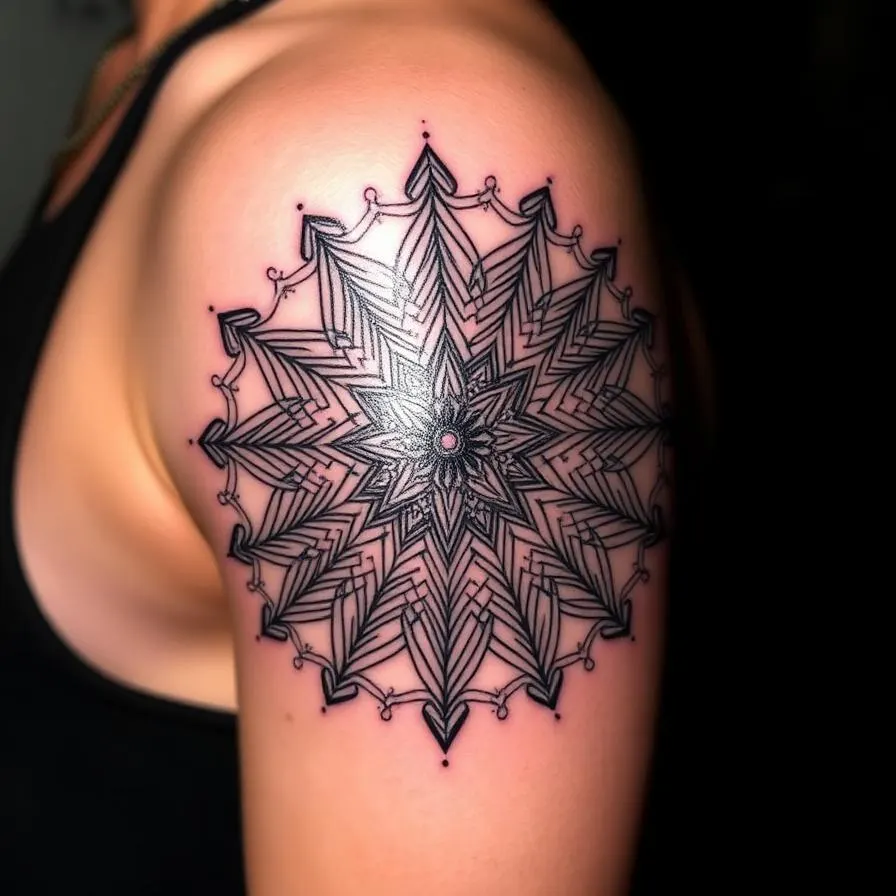
Geometric tattoos transform natural forms into angular, precise compositions built from triangles, hexagons, and sacred geometry. Mandalas, dotwork patterns, and stylized animal heads inside geometric frames are signature pieces. The style demands extreme precision — wobbly lines kill it instantly — so book an artist whose portfolio shows perfectly clean geometric work. Geometric ages well thanks to its bold linework and benefits from being placed somewhere flat enough to preserve the precision: outer forearm, calf, upper back. Explore more at the geometric style page.
5. Realism (Black-and-Grey and Color)
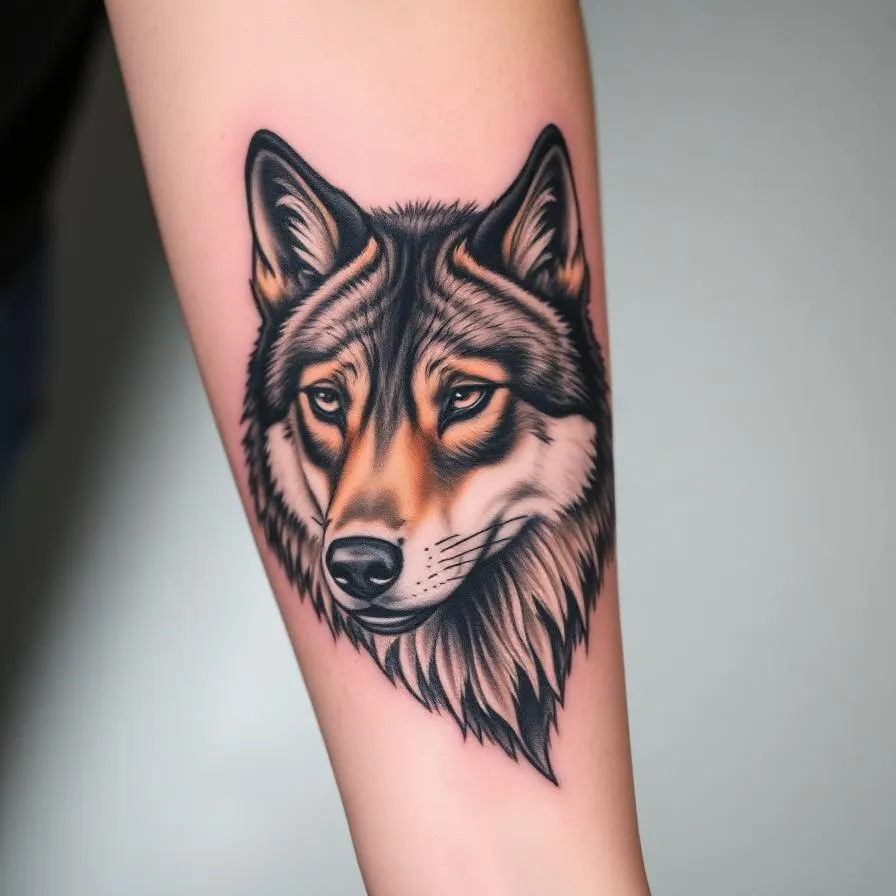
Realism pushes tattooing into the territory of photography and fine art. Done well, a realism portrait or nature piece looks almost three-dimensional on the skin. Black-and-grey realism uses gradients of black ink for cinematic depth; color realism adds a full palette for hyper-vivid pieces. Realism is the most technically demanding style and the gap between great and mediocre artists is huge — never settle on the first realism artist you find. It is also the style most affected by ageing; the subtle shading that gives realism its magic also blurs faster than bold linework.
6. Blackwork & Dotwork — Bold and Timeless
Blackwork covers any tattoo done exclusively in black ink, from heavy solid fills to delicate dotwork patterns. The style draws from tribal traditions, woodcut illustrations, and modern graphic design. Dotwork — building images from thousands of tiny dots — is a sub-style that produces ethereal, almost stippled imagery. Blackwork is famously durable: bold black ink ages better than almost anything else and remains crisp for decades. Browse the blackwork style page for design inspiration.
7. Watercolor — Painterly and Vivid
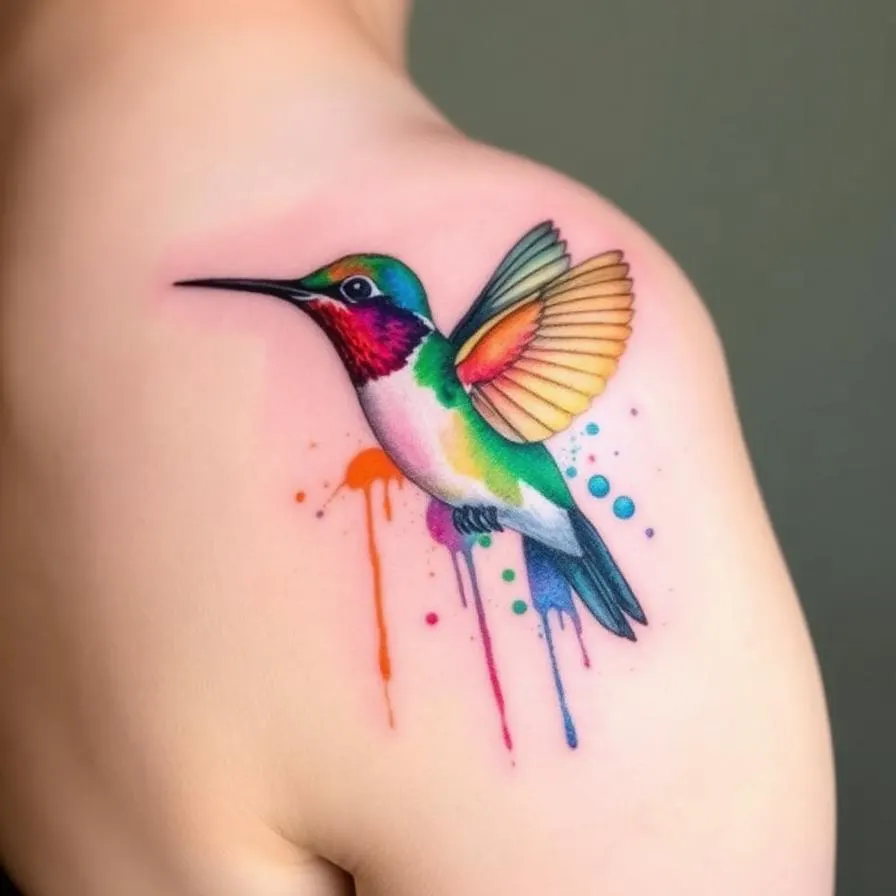
Watercolor tattoos mimic the fluid, blended look of watercolor paintings, with splashes of color, soft gradients, and intentional drips. The aesthetic is romantic and artistic, perfect for those who want their tattoo to feel like art rather than illustration. The honest trade-off: watercolor is the style most prone to fading and blurring over time, since the soft color washes don't have the bold outlines that anchor other styles. Plan on touch-ups every 5–10 years to keep watercolor pieces vibrant. The watercolor style page shows what is possible.
8. Neo-Traditional — Bold Lines, Modern Twist
Neo-traditional takes the bold outlines and saturated colors of American traditional tattooing and updates them with more illustrative detail, dimensional shading, and contemporary subjects. Think traditional roses but with extra petals, depth, and ornamental framing. Neo-traditional ages beautifully thanks to those bold outlines and is one of the most versatile styles for both small pieces and large-scale work.
9. Tribal & Polynesian — Ancient Roots, Modern Power
Tribal tattoos draw from indigenous traditions across Polynesia, the Pacific Islands, and other ancient cultures. They typically use bold black geometric patterns — spirals, repeating motifs, sharp angles — that flow with the body. Authentic Polynesian (tatau, tā moko) carries deep cultural meaning and should be approached with respect; consider working with an artist from those traditions or with explicit permission to use traditional patterns. Modern "tribal" styles have evolved into more abstract blackwork that draws inspiration from tribal aesthetics without the specific cultural codes.
10. Script & Lettering — Words That Stick
Script tattoos turn text into art. Whether it is a single word, a meaningful phrase, a name, or a date, the style choice — calligraphy, hand-lettered, typewriter, gothic — completely transforms the feel. Script is one of the most personal styles because the words themselves carry the meaning. The pitfalls: typos are forever (always proofread three times and have a friend check), and tiny script in a high-friction area like the inner wrist can blur. Bigger and bolder is usually better for script.
Mixing Styles, Matching Placements, and What Ages Best
Not every style works on every body part. Watercolor, with its lack of bold outlines, fades fastest in sun-exposed areas like hands and feet. Fine line and dotwork need flat, stable skin (forearms, ribs, upper back) to hold their precision. Bold styles like traditional, neo-traditional, and blackwork are forgiving across almost any placement. If you are getting your first tattoo, match style to a placement that protects your investment.
On mixing styles: it is possible but tricky. A coherent piece in two styles needs an artist with serious composition skills. For your first few tattoos, pick one style and commit. You will develop a personal aesthetic over time and have plenty of opportunities to mix later. For inspiration, check our list of best first tattoo ideas — most of them are minimalist or fine line for exactly this reason.
Frequently Asked Questions
Ready to Create Your Own Design?
Generate a custom AI tattoo design in seconds — no signup needed to preview.
Related Articles
Best AI Tattoo Generators in 2025 — Complete Comparison
We spent weeks testing every major AI tattoo generator. Here is the honest, side-by-side comparison no other roundup will give you.
How to Design Your First Tattoo with AI (Step-by-Step Guide)
A complete, beginner-friendly walkthrough of designing a tattoo you'll love — from concept to ink — using AI as your creative partner.
30 Best First Tattoo Ideas for Beginners (2026)
Getting your first tattoo is a major milestone, and this guide provides over 30 beginner-friendly ideas to ensure your first ink is a masterpiece.