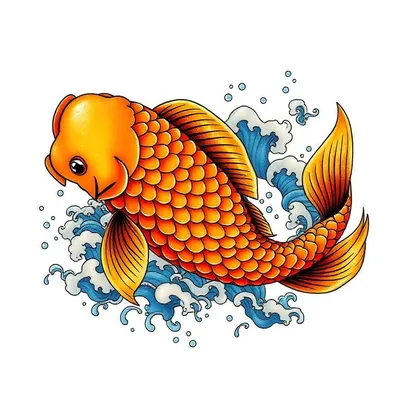
Koi fish tattoos are among the most meaningful in Japanese tattoo tradition, symbolizing perseverance, courage, and the determination to overcome life's obstacles. According to legend, koi that swim upstream and successfully climb the Dragon Gate waterfall are transformed into dragons — making the koi a symbol of transformation through persistence and hard work.
The direction a koi swims in a tattoo carries meaning: upstream koi represent currently battling obstacles and the courage to face challenges. Downstream koi represent having already overcome difficulties. Koi color also matters: gold represents prosperity, red symbolizes love and passion, blue represents masculine strength, black represents overcoming adversity, and white represents career advancement.
Japanese-style koi tattoos feature flowing water, lotus flowers, and cherry blossoms in the traditional Irezumi aesthetic. Watercolor koi tattoos splash vibrant colors for a painterly, ethereal effect. Realistic koi capture individual scales, flowing fins, and water reflections. Geometric koi designs blend organic fish forms with angular structures. Minimalist koi distill the design to essential flowing lines.
For placement, sleeves are the quintessential koi tattoo placement — the fish can swim up (or down) the arm with water and waves flowing naturally. Back pieces allow for elaborate compositions with waterfalls, lotus ponds, and multiple koi. Forearm placements work well for single koi designs. Thigh and ribcage pieces follow the body's curves, enhancing the sense of water and movement.
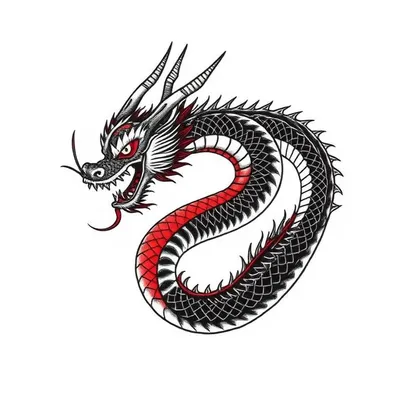
Koi pair naturally with water and waves, lotus flowers (purity from muddy waters), cherry blossoms, dragons (the transformation legend), and yin-yang imagery (often two koi swimming in a circle). A koi and dragon half-and-half design represents the moment of transformation.