The Short Answer: Average Tattoo Costs in 2026
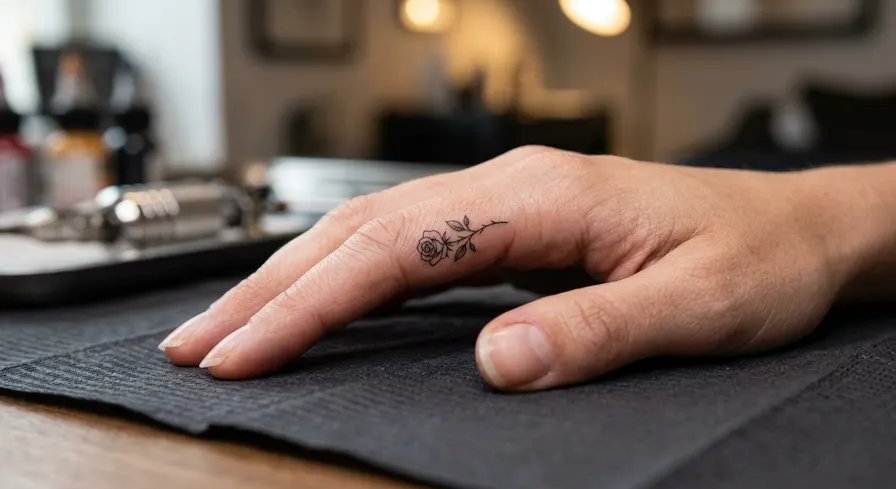
You want a quick answer, so let's start there. While the price of a tattoo varies wildly, we can establish some baseline estimates for 2026. A small, simple tattoo will typically be priced at the shop's minimum, which is usually between $100 and $250. This covers the cost of a new, sterile setup and the artist's time for a short procedure. For a medium-sized piece, like one that covers your forearm or bicep, you can expect to pay anywhere from $300 to $800.
Moving into larger tattoos, the price escalates significantly. A half-sleeve could range from $1,000 to $3,000, while a full sleeve often starts at $2,500 and can easily exceed $6,000, depending on the detail. Full back pieces are the biggest investment, generally falling between $4,000 and $10,000+. Remember, these are just ballpark figures. The final cost depends on a host of factors we'll explore in detail below.
How Do Artists Price Tattoos?
Understanding how artists calculate their fees is the first step to decoding your price quote. Most professional tattoo artists use one of two pricing structures: a flat rate for the piece or an hourly rate. The method they choose almost always depends on the size and scope of the tattoo project.
Knowing which pricing model your artist uses helps you understand the total investment you're making. It’s perfectly acceptable to ask your artist how they structure their pricing during your consultation so you can plan your budget accordingly.
Per-Hour Rates
The hourly rate is the most common pricing method for large-scale and multi-session tattoos, such as sleeves, back pieces, or highly detailed realism. In 2026, an experienced artist's hourly rate typically falls between $150 and $350 per hour. A world-renowned artist in a major city might even charge upwards of $500 per hour. This rate covers the artist's active tattooing time. It accounts for their skill, speed, and the cost of running their business. When you are quoted an hourly rate, the artist will usually provide an estimate of how many hours or sessions your piece is likely to take.
Per-Piece Flat Rates
For smaller, single-session tattoos, artists almost always charge a flat rate. This includes most minimalist designs, script, and flash tattoos. The price is determined by the size, complexity, and placement of the design before the needle ever touches your skin. This method is straightforward and beneficial for both you and the artist. You know the exact cost upfront, and the artist is compensated fairly for their design and execution, regardless of whether it takes 30 minutes or an hour.
Key Factors That Determine Tattoo Cost
The final price tag on your tattoo isn't arbitrary. It's a calculation based on several critical variables that every artist takes into account. From the sheer size of the piece to the intricacy of the line work, each factor plays a role in the time, skill, and resources required to create your permanent piece of art.
Think of it as a custom commission. No two tattoos are exactly alike, and the pricing reflects that unique creation process. By understanding these components, you can better appreciate the quote you receive and make informed decisions about your design.
Size and Placement
This is the most obvious factor. A larger tattoo requires more time, ink, and needles, so it will naturally cost more than a small one. A design that spans your entire back will be a significantly larger investment than one that fits on your wrist. But placement is just as important. Areas of the body that are more difficult to tattoo—where the skin is stretchy, thin, or bony—often come with a higher price tag. Think ribs, throats, elbows, and feet. These spots require more time and precision from the artist, and the difficulty is often reflected in the cost. The difficulty of tattooing these areas often correlates with the sensitivity, which you can learn more about on our tattoo pain chart by body part.
Complexity and Detail
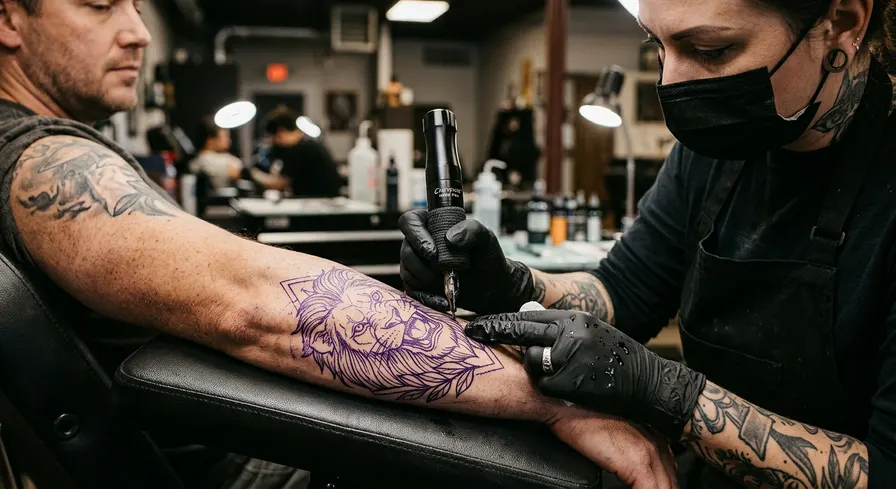
A simple five-point star will cost far less than photorealistic portrait of a lion, even if they are the same size. The level of detail is a massive cost driver. Tattoos that involve intricate linework, complex shading, subtle color blending, or tiny details demand a higher level of skill and, most importantly, more time. A highly detailed piece might take an artist three times as long as a simpler design of the same dimensions. This is especially true for styles like hyper-realism and intricate fine-line tattoos, where precision is everything.
Color vs. Black and Grey
Generally, a color tattoo will cost more than its black and grey counterpart. There are a few reasons for this. Working with color is often a more time-consuming process, involving more needle changes, careful blending, and ensuring the saturation is perfect. Color inks themselves can also be more expensive for the artist to purchase. While a simple black outline is straightforward, a vibrant, multi-hued design requires a broader palette and a more complex application process, adding to the overall time and cost.
Artist Experience and Reputation
The artist you choose is one of the most significant factors in the cost equation. A new apprentice will have a much lower hourly rate than a seasoned veteran with 20 years of experience. You are not just paying for the time it takes to do the tattoo; you are paying for the thousands of hours that artist has spent honing their craft, developing their unique style, and building their reputation.
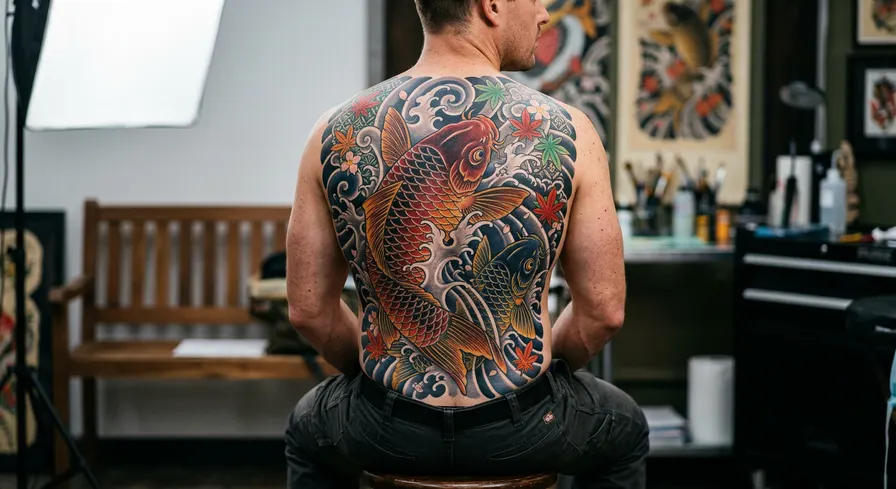
World-famous artists with long waiting lists and a portfolio of awards can charge premium rates because of the demand for their specific skill set. Their experience ensures a high-quality, beautifully executed tattoo with a lower risk of complications. When choosing an artist who specializes in a difficult style like Japanese irezumi or photorealism, you are investing in a master of their craft. This expertise is a significant part of what you are paying for.
Shop Location and Overhead
Where the tattoo studio is located plays a surprisingly large role in pricing. A shop in a high-rent district of New York City, Los Angeles, or London has significantly higher overhead costs than a studio in a small suburban town. Rent, utilities, licensing fees, and local business taxes are all factored into the shop's operational costs, which in turn influences the artists' rates.
This doesn't mean a tattoo in a small town is lower quality, but it does mean that pricing is relative to the local economy. Artists must cover their expenses before they can make a profit. So, if their chair rental or shop commission is high, their rates will have to be high to match. Keep this in mind when comparing prices between different cities or states.
Custom Design vs. Flash
Do you want a design pulled from the wall or something created just for you? This choice impacts the final price. A 'flash' tattoo is a pre-drawn, ready-to-go design, often displayed in the studio's lobby. Since the artist has drawn it once and can tattoo it multiple times, flash designs are almost always more affordable. They are a fantastic option for your first tattoo or if you love an artist's signature style.
A custom design, on the other hand, is a one-of-a-kind piece created specifically for you. The cost of a custom tattoo includes the artist's time spent consulting with you, researching, and drawing the design. This creative labor happens before you ever sit in the chair. While you can find inspiration anywhere, and even use an AI tattoo generator to explore initial concepts, the artist's work in translating that idea into a unique, tattooable design is a key part of the service you're paying for.
Comparing Tattoo Styles and Their Costs
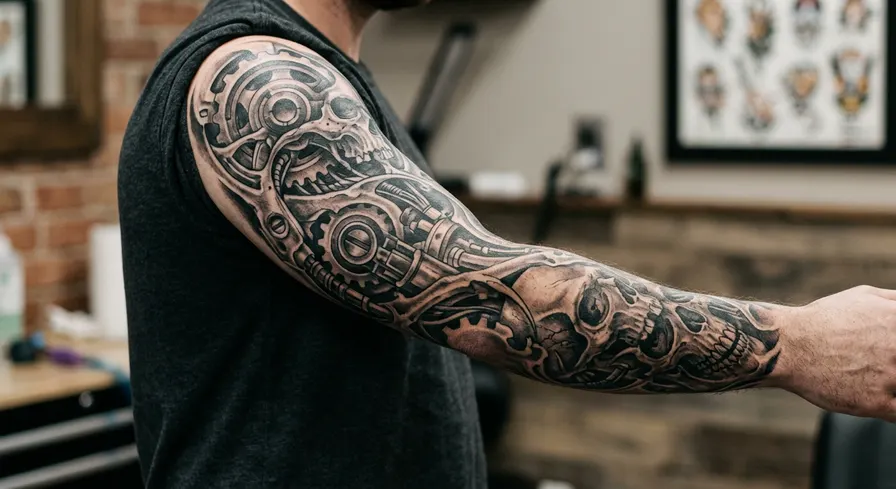
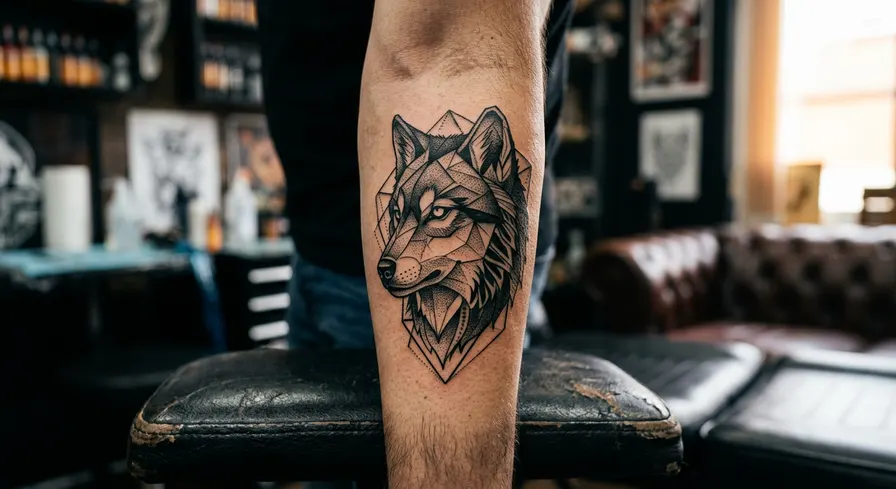
Different tattoo styles require different techniques, tools, and time commitments, all of which affect the price. A minimalist tattoo, for example, might seem simple, but the perfect single needle line requires immense precision. You can explore the differences in our minimalist vs. fine-line tattoos guide. Styles like blackwork and geometric tattoos are priced based on the density and complexity of the shapes, not just the size.
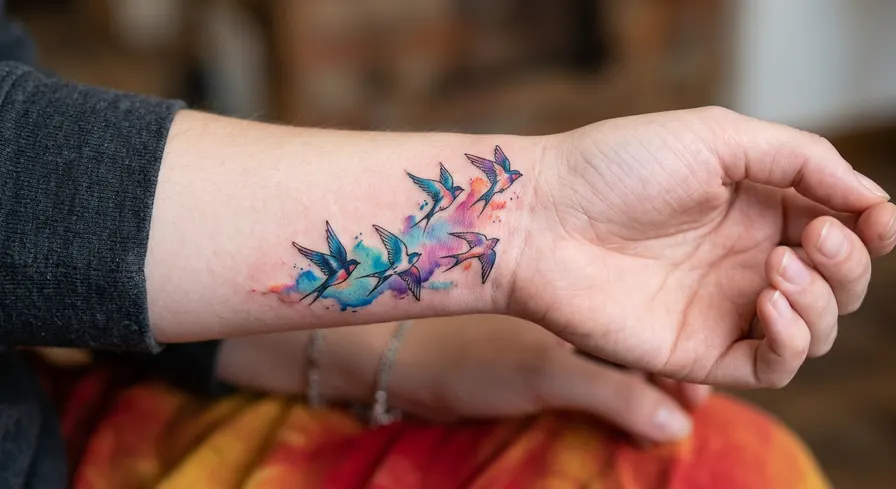
On the higher end of the cost spectrum are styles like photorealism and traditional Japanese. These require a master's touch, involving many layers, intricate details, and a deep understanding of the art form. Similarly, a watercolor tattoo, with its delicate splashes and blended colors, requires a specialized technique that can take longer to apply correctly. The more specialized the style, the more you are paying for an artist who has dedicated their career to perfecting it.
How to Get a Tattoo on a Budget (Safely)
While you should never bargain-hunt for a permanent piece of body art, there are smart ways to get a tattoo without breaking the bank. Many artists and shops hold 'flash day' events, offering a menu of smaller, pre-designed tattoos for a flat, discounted rate. This is a great way to collect work from an artist you admire at a lower price point.
Opting for a smaller or simpler design will always be more affordable. Black and grey tattoos also tend to be less expensive than full-color ones. Another option is to see if a reputable shop has an apprentice. Apprentices offer significantly lower rates under the supervision of senior artists, but be sure to review their portfolio carefully. Ultimately, the best advice is to be patient. If your heart is set on a large piece from a specific artist, it's better to save for a year than to compromise on something you'll wear for life.
Why You Shouldn't Haggle Over Price
It can be tempting to try and negotiate a lower price, but in the world of tattooing, this is considered a major faux pas. Haggling over the cost is disrespectful to the artist and the craft. Their pricing reflects their years of training, the cost of high-quality, sterile supplies, their creative labor, and the overhead of the studio. When you haggle, you are asking a professional to devalue their own skill and safety standards.
Remember the old adage: 'A good tattoo isn't cheap, and a cheap tattoo isn't good.' Trying to find the cheapest possible option often leads to poorly executed work, or worse, an unsafe experience in an unhygienic environment. A tattoo is a luxury item and a piece of permanent art. It's an investment in yourself. If the price from your desired artist is too high, the respectful approach is to save up or adjust the design's size or complexity, not to ask for a discount.
Planning Your Tattoo Budget
Now that you understand all the contributing factors, you can effectively plan your budget. Start by researching artists whose style you love. Once you have an artist in mind, reach out for a consultation. Be clear about your idea, the size, and the placement. They will be able to give you a price estimate, either as a flat rate or an hourly projection.
Once you have your estimate, plan to save that amount plus an additional 20% to comfortably cover the tip. If it's a large, multi-session piece, you can budget for it session by session. Getting a tattoo is an exciting process, and being financially prepared removes any stress. By respecting the artist's pricing and planning ahead, you ensure a positive experience from start to finish, ending with a piece of art you'll treasure forever.
Frequently Asked Questions
Ready to Create Your Own Design?
Generate a custom AI tattoo design in seconds — no signup needed to preview.
Related Articles
30 Best First Tattoo Ideas for Beginners (2026)
Getting your first tattoo is a major milestone, and this guide provides over 30 beginner-friendly ideas to ensure your first ink is a masterpiece.
Tattoo Pain Chart: Most & Least Painful Spots Ranked
Explore our expert-ranked tattoo pain chart to discover the most and least painful places on the body to get tattooed before your next session.