Understanding Tattoo Pain: It’s Personal
"Does getting a tattoo hurt?" It’s the first question on everyone's mind. The short answer is yes, but the long answer is far more complicated. Pain is subjective. What one person describes as a mild scratch, another might feel as intense burning. Your personal pain tolerance, which is influenced by genetics, stress levels, and even your mindset on the day, plays the biggest role.
This guide is designed to be a comprehensive map, not an absolute guarantee. We've aggregated data from tattoo artists and countless clients to create a reliable tattoo pain chart. Use it to understand the general consensus on which body parts are more or less sensitive. It will help you choose your placement wisely, especially if you're planning your very first tattoo.
The Least Painful Places to Get a Tattoo
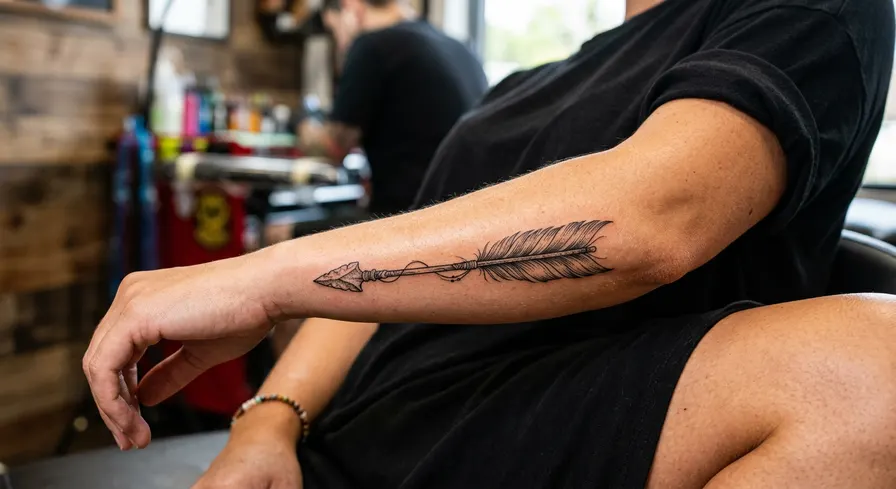
If you're new to tattoos or have a low pain threshold, these spots are your best bet. They are generally well-padded with fat or muscle and have fewer nerve endings. This combination creates a buffer zone between the tattoo needle and the bone.
The most popular choice for a low-pain experience is the outer forearm. It's fleshy, easy to access, and heals quickly. Similarly, the outer bicep offers a great canvas with minimal discomfort, perfect for a variety of designs. Other fantastic starter spots include the upper thighs, which have ample padding, and the calves, which are muscular and have taut skin, making for a smooth tattooing process. The fleshy part of the shoulders also ranks low on the pain scale. These areas are ideal for your first piece and you'll find many great [forearm tattoo ideas](/blog/forearm-tattoo-ideas) to get you started.
More Than Just Location: What Else Influences Pain?
While placement is the number one factor, several other variables can change your experience. Understanding them can help you prepare mentally and physically. Things like your body composition, the artist's technique, and the specifics of your chosen design all contribute to the final pain level.
Your Body & Mindset
Your individual physiology matters. Areas with thinner skin, more nerve endings, and less fat will naturally be more sensitive. Bodyweight can also be a factor; someone with more body fat might find spots like the stomach or thighs less painful than a leaner individual. Age can also play a role, as skin loses elasticity over time, which can sometimes increase sensitivity. Don't underestimate your mindset, either. Arriving well-rested, hydrated, and calm can make a world of difference.
The Tattoo Artist’s Technique
An artist's skill is paramount. An experienced professional knows how to adjust their needle depth and speed for different skin types and body parts. A "heavy-handed" artist might cause more trauma to the skin, leading to more pain and a tougher heal. A "light-handed" artist, on the other hand, can create beautiful work with minimal discomfort. Always choose a reputable artist whose work you admire and who makes you feel comfortable.
Your Tattoo's Design
The bigger and more detailed the tattoo, the longer it will take, and the more pain you will endure. Long sessions test your stamina. Shading and color packing tend to hurt more than outlining for most people because the needles go over the same area multiple times. Intricate styles require more intensive work than simpler styles like [Minimalist](/styles/minimalist) tattoos. Our [tattoo styles complete guide](/blog/tattoo-styles-complete-guide) can walk you through the options.
The Most Painful Places to Get a Tattoo
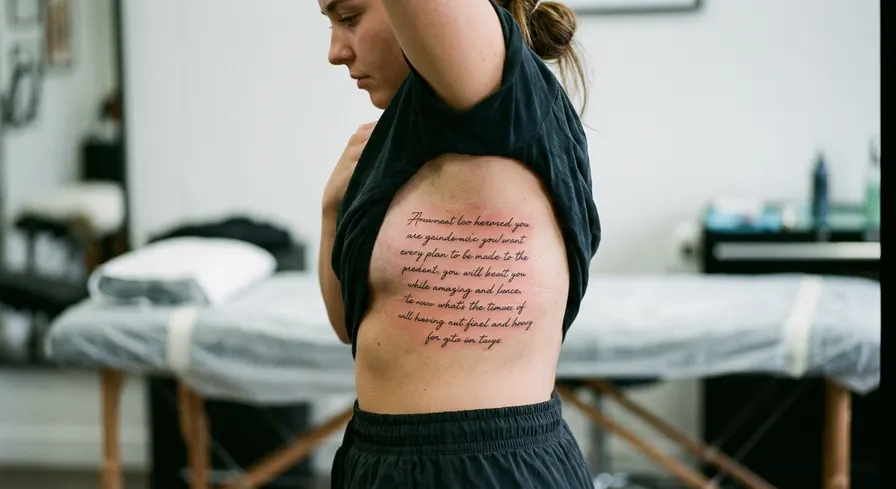
Now for the spots that require a bit more grit. These areas are known for being exquisitely sensitive, primarily because the skin is very thin and directly over bone. There's little to no fat or muscle to cushion the needle's vibration.
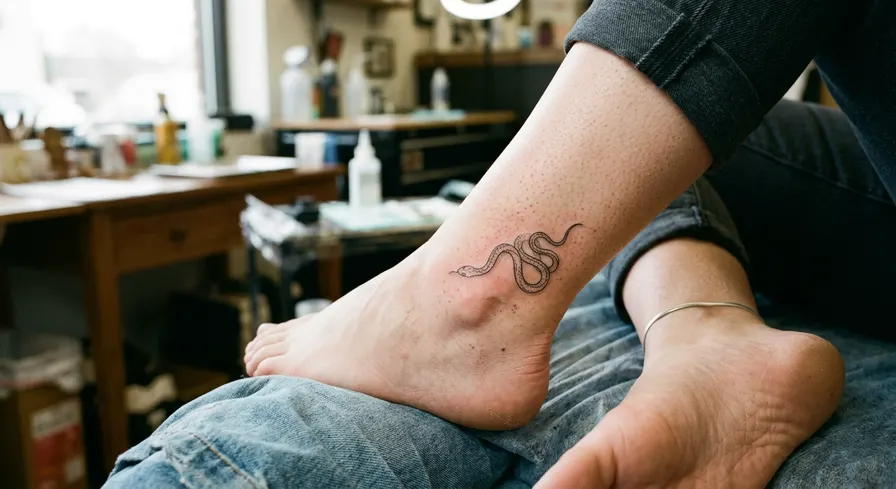
The rib cage is legendary for a reason; the skin is stretched taut over the ribs, and the vibration can be intense. The sternum, right in the center of your chest, is another majorly painful spot. Other areas in this high-pain category include the ankles, shins, feet, hands, inner wrist, and the head. These placements are not for the faint of heart and are often tackled by more experienced tattoo collectors.
The Tattoo Pain Chart, Ranked from Least to Most Painful
Let's break it down. Think of the human body as a map of sensitivity. We've grouped the major body parts into four pain tiers to help you plan your tattoo journey. This chart serves as a general guide to what you can expect.
Tier 1: Mild Pain (The "Easy" Spots)
These are your green-light zones. Perfect for a first tattoo or a long, relaxed session. The pain is often described as a constant, light scratching or a cat-scratch sensation. **Areas:** Outer Forearm, Outer Bicep, Shoulders (Deltoid), Calves, Upper/Outer Thigh. If you are looking for [best first tattoo ideas](/blog/best-first-tattoo-ideas), you should consider placing them in these spots.
Tier 2: Moderate Pain (Totally Manageable)
Moving into the yellow zone, these areas have a bit more sensation. You'll definitely "feel" it more, but the pain is widely considered to be tolerable for most people, especially for smaller pieces. **Areas:** Center Back, Front/Inner Thigh, Stomach, Lower Back, Inner Bicep.
Tier 3: High Pain (Breathe Through It)
Welcome to the orange zone. These placements are a significant step up in pain. The sensation is sharper, more biting, and can be difficult to ignore. Sessions here often require mental preparation and may need to be broken up. **Areas:** Neck, Inner Elbow (the "ditch"), Knees, Hands, Feet, Inner Wrist, Chest.
Tier 4: Extreme Pain (Experts Only)
This is the red zone, reserved for the most dedicated tattoo enthusiasts. The pain here is intense, sharp, and can feel like a deep, vibrating burn. These areas offer very little padding over bone and are packed with nerve endings. **Areas:** Rib Cage, Sternum, Armpit, Groin, Head, Ankles, Shins.
Why Are Low-Pain Spots So Forgiving?
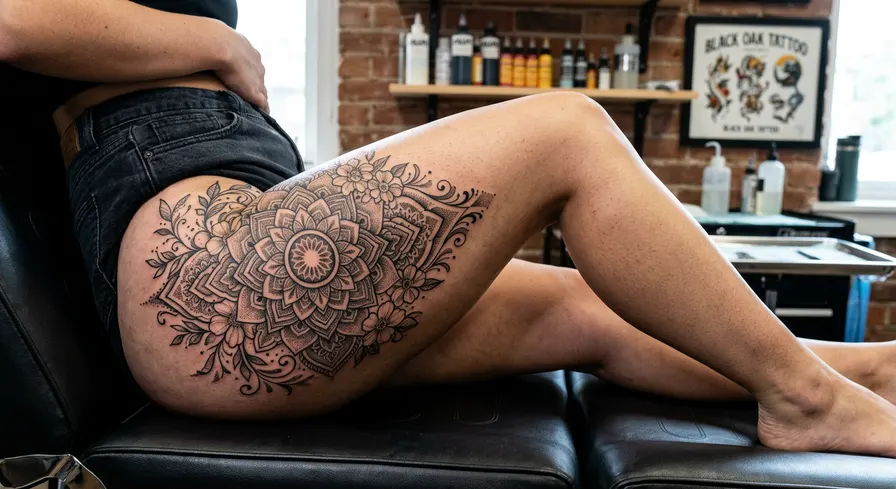
What do the outer arm, thigh, and calf all have in common? Layers of protection. These areas benefit from a combination of muscle mass and subcutaneous fat, which act as natural shock absorbers. The skin is also typically thicker and less saturated with nerve endings compared to other parts of your body.
This combination means the needle's vibration is diffused and doesn't rattle directly against bone. The skin's smooth, taut surface also makes it an ideal canvas for the artist to work on, allowing for cleaner lines and a quicker process. This is why you'll often see large, detailed pieces like [Dotwork](/styles/dotwork) mandalas or complex [Blackwork](/styles/blackwork) designs on the thighs and outer arms. They provide enough space and a low-pain experience for a multi-hour session.
The In-Betweeners: Managing Moderate Pain
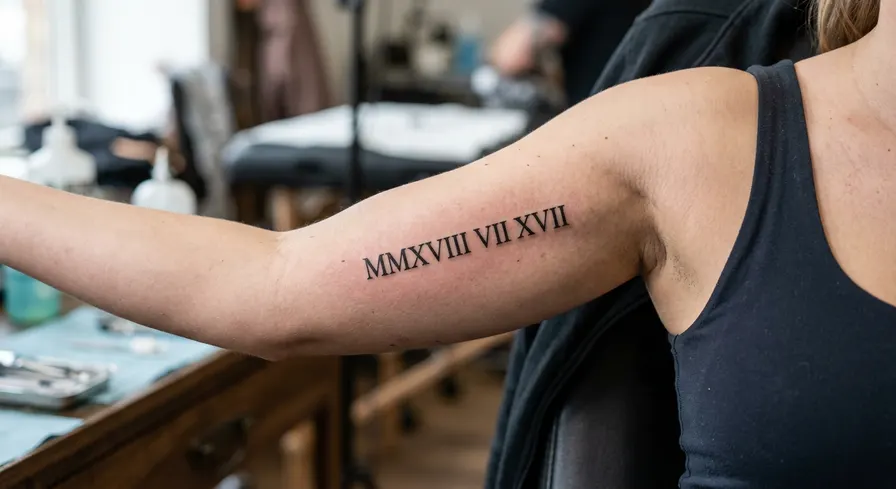
Areas like the inner bicep, lower back, and stomach fall into a middle ground of pain. They aren't as effortless as the outer limbs, but they are far from the agony of the rib cage. The inner bicep, for example, has thinner, more sensitive skin than its outer counterpart, but still has muscle beneath it. You'll feel a more distinct "stinging" or "burning" sensation here.
The stomach is a unique case. While it has plenty of soft tissue, the skin can be very stretchy, and the constant movement from breathing can create a strange sensation. For many, the mental aspect of a needle working on this vulnerable area adds to the discomfort. The key to handling these spots is steady breathing and focusing on a distraction, like music or a conversation with your artist.
A Closer Look at High-Pain Hotspots
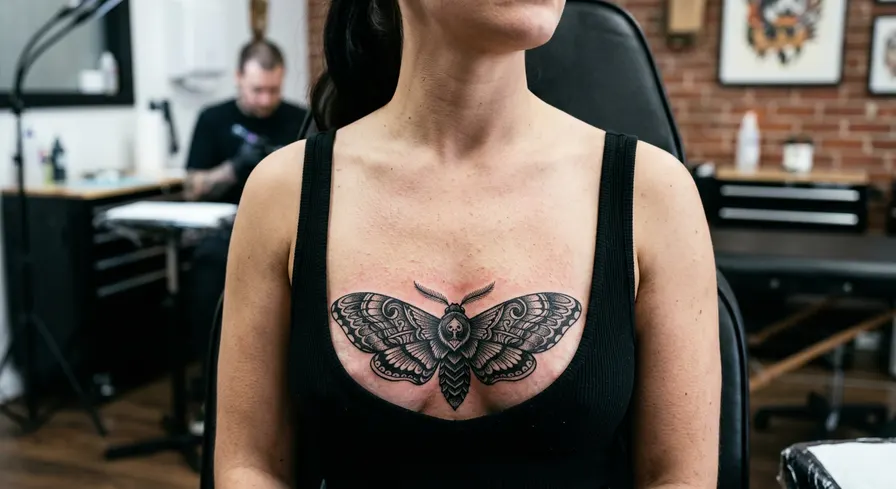
Let's talk ribs, sternum, and ankles. These are the placements that earn you bragging rights. The pain is a direct result of anatomy: very thin skin, a high concentration of nerve endings, and bone sitting just millimeters beneath the surface. The vibration of the tattoo machine against a rib or sternum bone can resonate through your entire torso, a deeply uncomfortable feeling.
Because of the intensity, many people opt for designs that can be completed in a single, shorter session. This is where styles like [Fine-Line](/styles/fine-line) tattoos shine. A delicate script quote on the ribs or a small symbol on the ankle allows you to get a tattoo in a coveted spot without enduring 6 hours of agony. If you are debating between simpler styles, our [minimalist vs fineline tattoos](/blog/minimalist-vs-fineline-tattoos) guide can help you decide.
How to Prepare For a Painful Tattoo
If you have your heart set on a high-pain placement, don't worry—you can get through it. Preparation is everything. Going into your appointment feeling your best physically and mentally can dramatically improve your pain management.
Before Your Appointment
Get a full night's sleep. Being well-rested makes your body more resilient to pain. Eat a substantial meal about 1-2 hours before your session to keep your blood sugar stable. Hydrate, hydrate, hydrate! Drink plenty of water in the 24 hours leading up to your appointment. Avoid alcohol and caffeine, as they can thin your blood and heighten sensitivity. Finally, wear comfortable, loose-fitting clothing that allows easy access to the tattoo area.
During Your Appointment
Control your breathing. Deep, slow breaths can have a meditative effect and help manage pain waves. Bring distractions: headphones for music or a podcast, a book, or even a stress ball. Don't be afraid to communicate with your artist. If you need a short break to stretch or get some water, just ask. A good artist wants you to be as comfortable as possible.
It Hurts, But It's Worth It
No matter where you choose to get tattooed, there will be some level of pain. But for millions of people, that temporary discomfort is a small price to pay for a permanent piece of art that they will cherish forever. The pain is part of the process, a rite of passage that connects you to your new tattoo on a deeper level.
Whether you're starting with a small piece on a low-pain spot or ready to tackle a full rib panel, knowledge is your best tool. Use our pain chart to make an informed decision, choose an artist you trust, and prepare your body and mind. And if you're trying to figure out what to get, an AI tattoo generator can be a great way to explore concepts. Check out our guide on [how to design your first tattoo with AI](/blog/how-to-design-first-tattoo-with-ai).
Frequently Asked Questions
Ready to Create Your Own Design?
Generate a custom AI tattoo design in seconds — no signup needed to preview.
Related Articles
How Much Does a Tattoo Cost in 2026? Complete Pricing Guide
Understand the key factors that determine tattoo prices in 2026, from size and complexity to artist hourly rates, so you can budget effectively.
60 Forearm Tattoo Ideas for Men and Women (Designs & Placement)
The forearm is one of the most versatile and popular tattoo placements, offering a perfect canvas for your next piece of body art.